Smashing Magazine - we smash you with the information that will make your life easier. really.

Lessons From Swiss Style Graphic Design

Advertisement

Also known as International Style, the Swiss Style does not simply describe a style of graphic design made in Switzerland. It became famous through the art of very talented Swiss graphic designers, but it emerged in Russia, Germany and Netherlands in the 1920’s. This style in art, architecture and culture became an ‘international’ style after 1950’s and it was produced by artists all around the globe. Despite that, people still refer to it as the Swiss Style or the Swiss Legacy.

This progressive, radical movement in graphic design is not concerned with the graphic design in Switzerland, but rather with the new style that had been proposed, attacked and defended in the 1920s in Switzerland. Keen attention to detail, precision, craft skills, system of education and technical training, a high standard of printing as well as a clear refined and inventive lettering and typoraphy laid out a foundation for a new movement that has been exported worldwide in 1960s to become an international style.
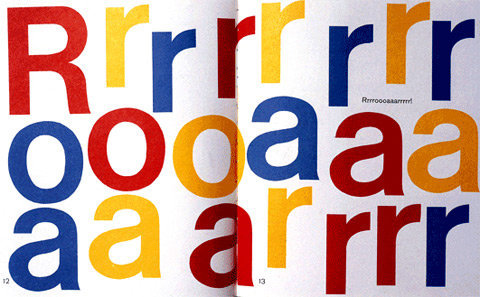
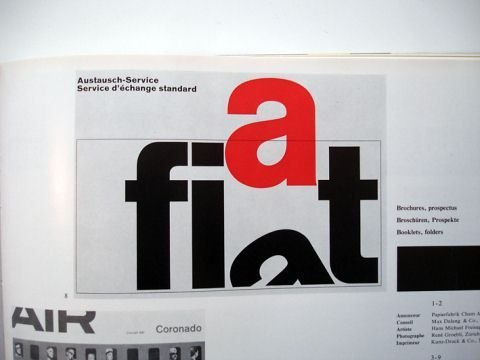
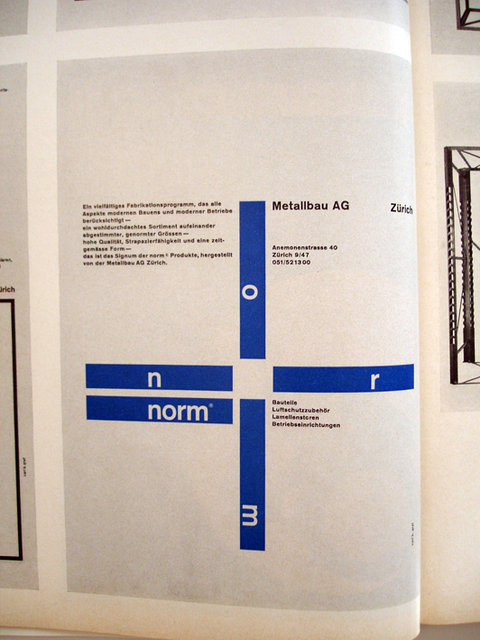
Rr in Lessons From Swiss Style Graphic Design

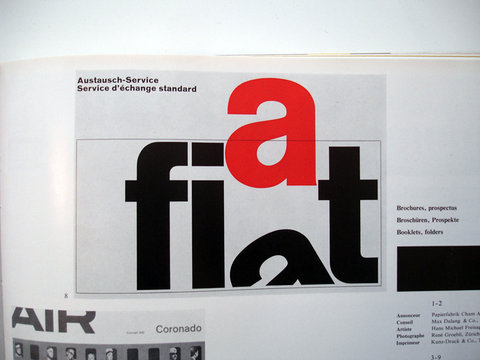
Fiat in Lessons From Swiss Style Graphic Design

Emerging from the modernist and constructivist ideals, the Swiss Style can be defined as an authentic pursue for simplicity – the beauty in the underlines of a purpose, not beauty as a purpose in itself. The principle “form follows function” became a battle-cry of Modernist architects after the 1930s. As a consequence of this principle, most of the Swiss Style craft is devoted to the minimal elements of style such as typography and content layout rather than on textures and illustrations.

“Perfection is achieved, not when there is nothing left to add, but when there is nothing left to remove.”

Antoine de Saint-Exupéry

Here are some great resources if you want to dive deep into the Swiss Style Graphic Design.

How the Swiss Style Relates to the Web

This style of graphic design was born in the institutional context. The majority of pieces from this movement are in the form of posters, stamps, institutional typographical identity, street signs, etc. In this sense, these artists are leveraging much more than just top-down communication, they’re creating user-friendly interfaces.

As a result of that, Swiss Style artists tend to put their artistic efforts in that the content they are conveying delivers its intended message in a clear, unobtrusive fashion. One can make the point that they were thinking, in a broader sense, about usability long before the web even existed. How can we not learn from these great masters?

Uniformity and geometry

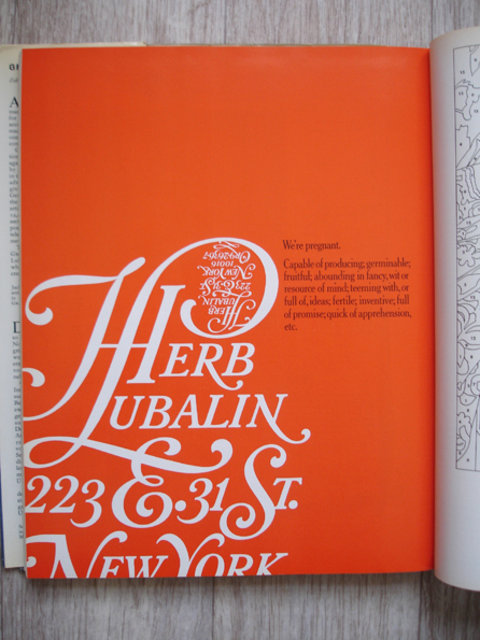
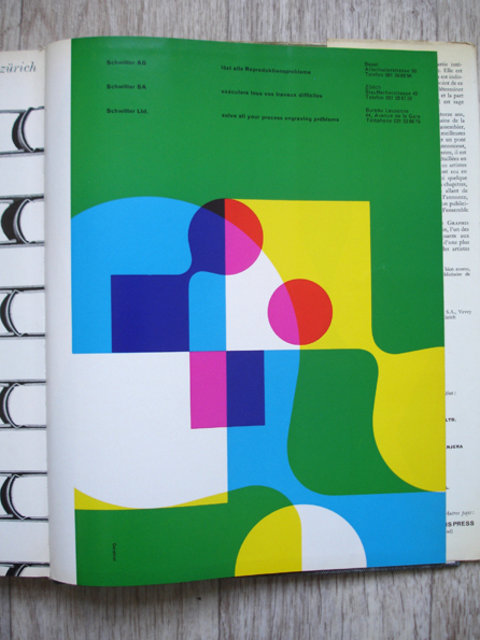
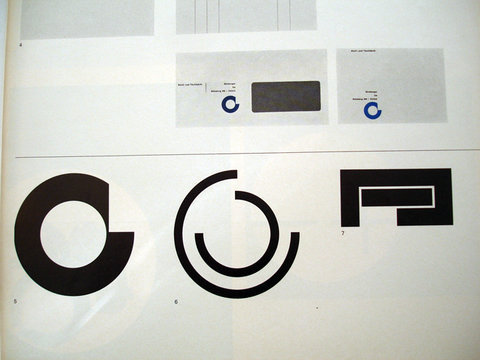
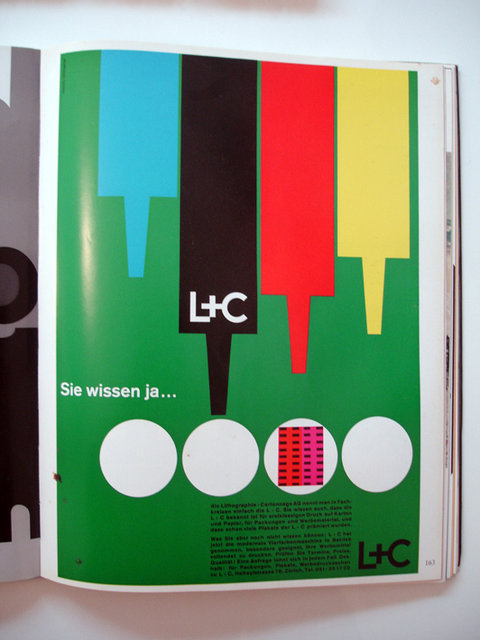
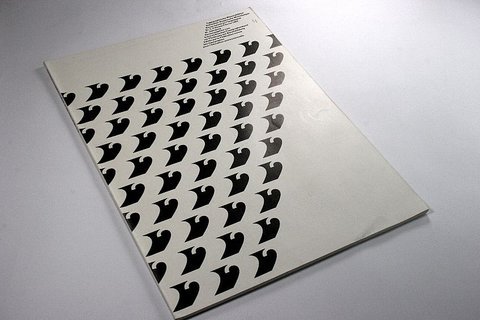
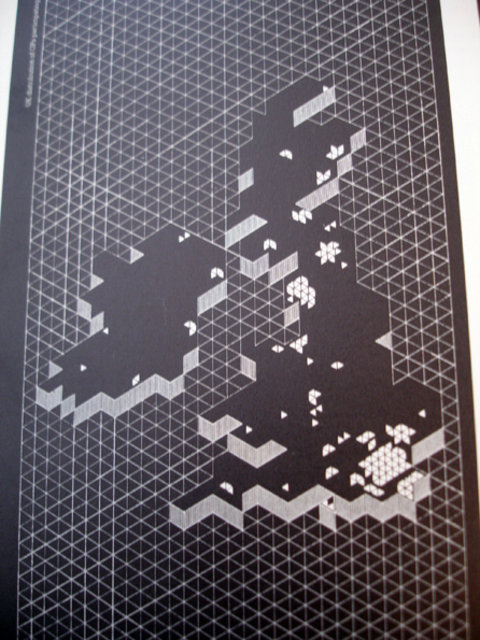
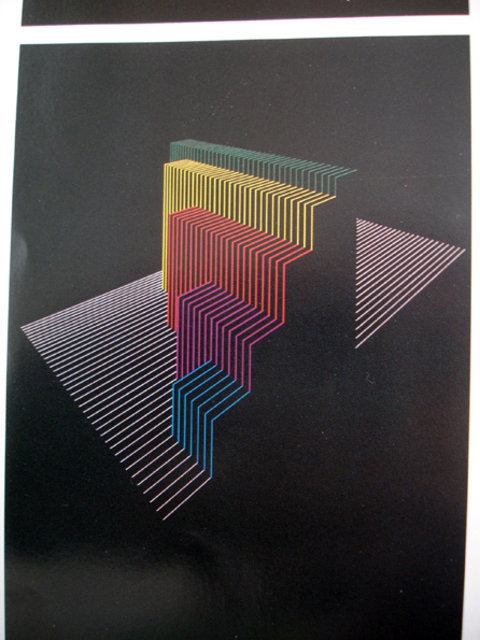
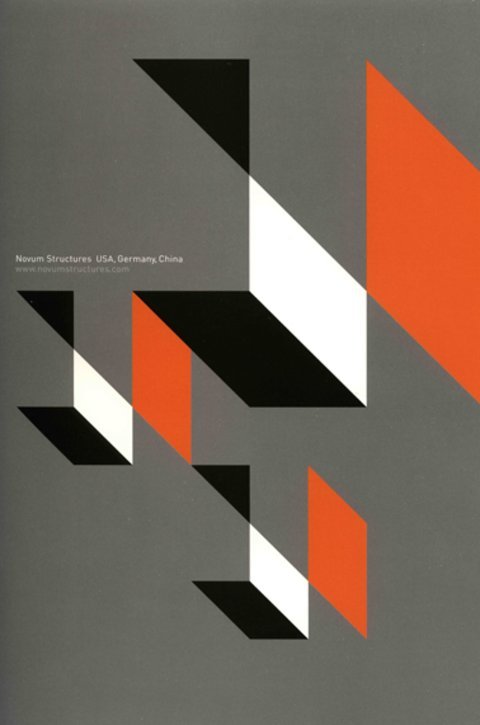
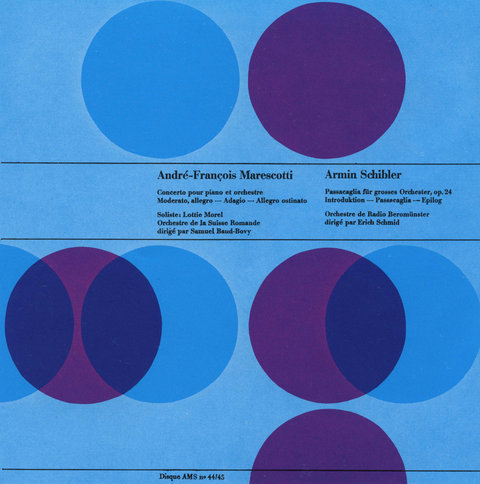
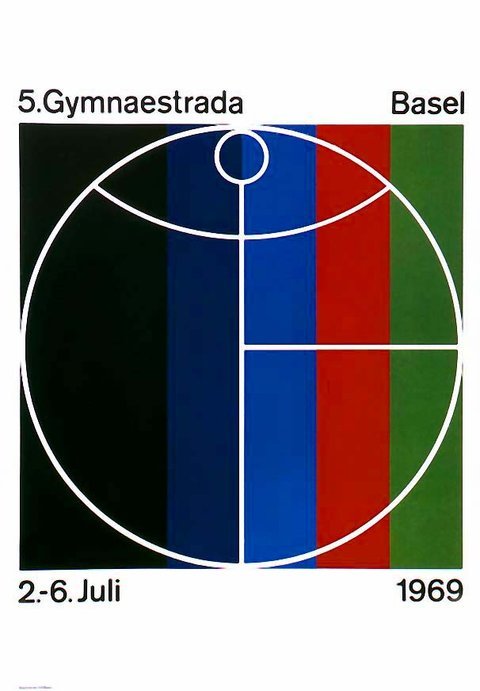
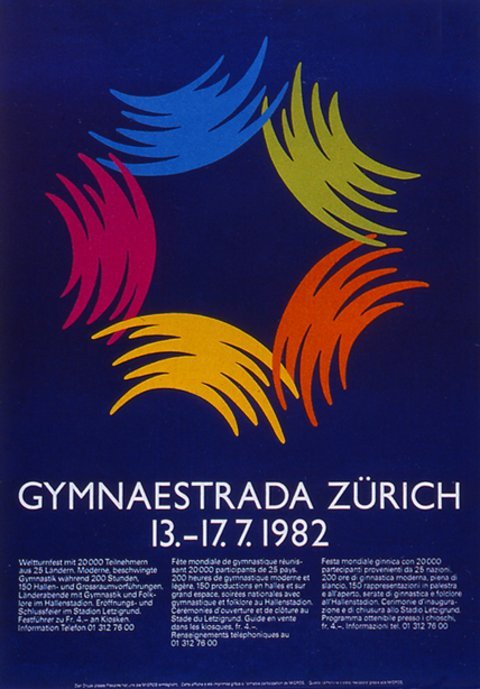
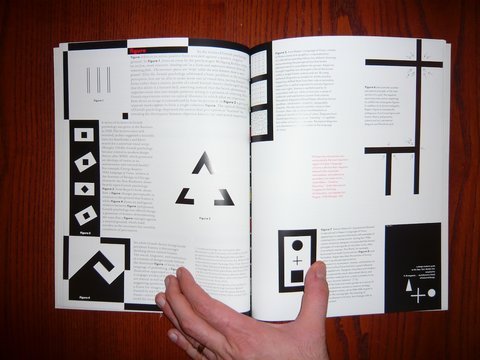
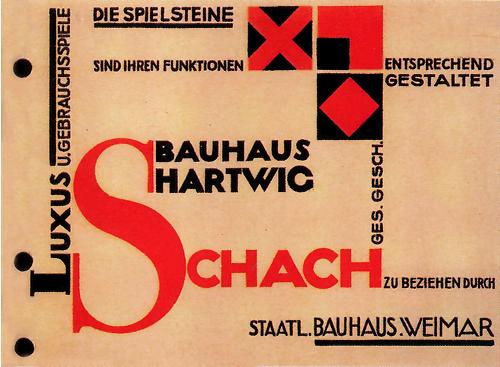
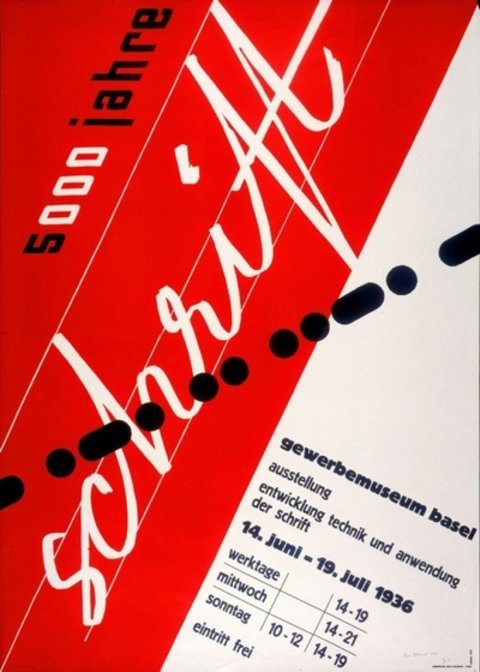
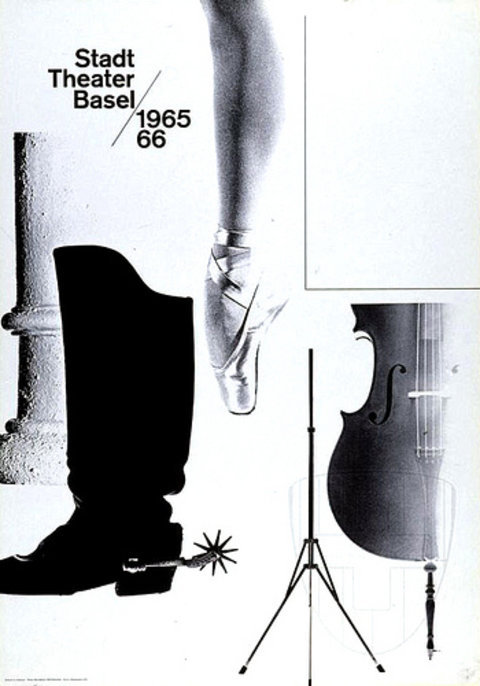
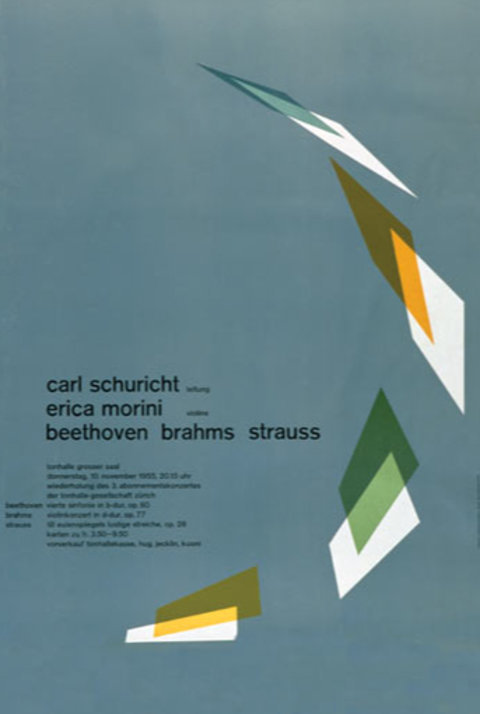
Even a quick study of classic Swiss style works reveals a strong attention of graphic designers to uniform design elements and strong geometric shapes. Graphic artists have experimented with abstract geometric patterns, uncomon color combinations, text manipulations and striking abstract visuals that were used to clearly convey their purpose in a very remarkable way.
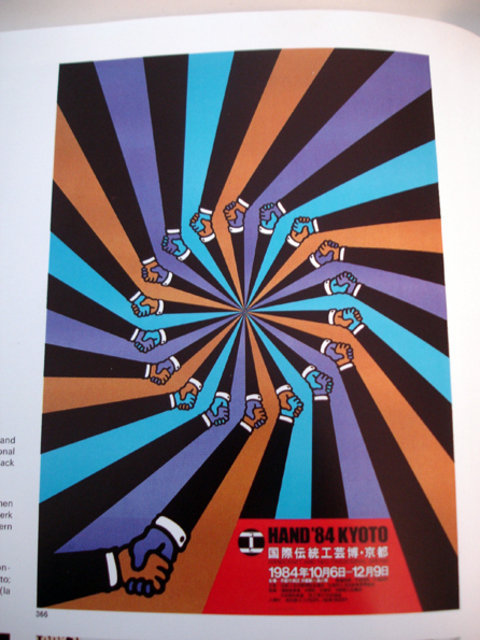
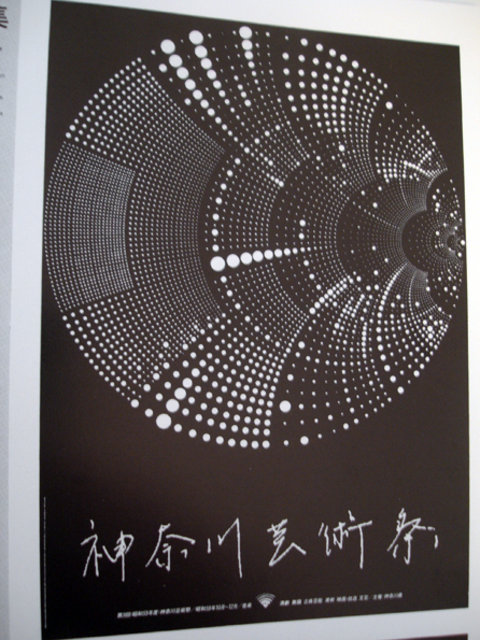
Swiss-graphic-design-162 in Lessons From Swiss Style Graphic Design

Swiss-graphic-design-185 in Lessons From Swiss Style Graphic Design

Swiss-graphic-design-143 in Lessons From Swiss Style Graphic Design

Whitespace: Let The Text Breath

Swiss-graphic-design-142 in Lessons From Swiss Style Graphic Design

Whitespace can never be underrated. It’s a very important element for both visual impact and readability. It feels quite inviting when a web page is laid out in such a fashion that the organization of the page (and the site) is clearly conveyed in a split of a second. It’s also good for business, since people use interfaces that they understand and tend reject the ones they don’t.

A common way that people pursue organization is by having markers that separate the different parts of the site: in web design icons and illustrations are used to separate various types of content. But Swiss style is all about using less, so instead of adding more elements to work with, they prefer to remove as much as possible. This is a great example of the ‘less is more’ principle and of the ‘the content is the interface’ wisdom.

Grid Systems

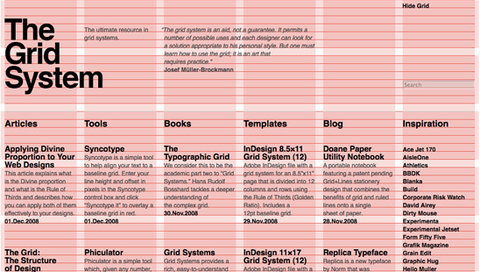
A grid system is a rigid framework that is supposed to help graphic designers in the meaningful, logical and consistent organization of information on a page. Rudimentary versions of grid systems existed since the medieval times, but a group of graphic designers, mostly inspired in ideas from typographical literature started building a more rigid and coherent system for page layout. The core of these ideas were first presented in the book Grid Systems in Graphic Design by Josef Müller-Brockmann which helped to spread the knowledge about the grids thorough the world.
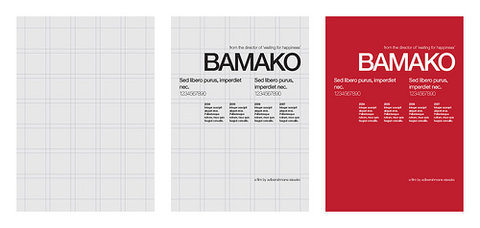
Grid System Sample in Lessons From Swiss Style Graphic Design

Nowadays grid systems are an established tool that is often used by print and web designers to create well-structured, balanced designs. There are many resources on the subject, one of them is an article by your own Smashing Magazine: Designing With Grid-Based Approach. You may want to take a closer look at it if you want to learn and find out more about grid-systems.
Grid System1 in Lessons From Swiss Style Graphic Design

More than grids, structured information

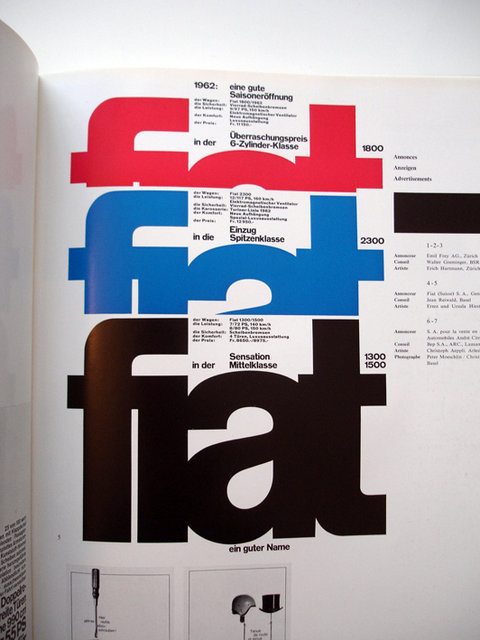
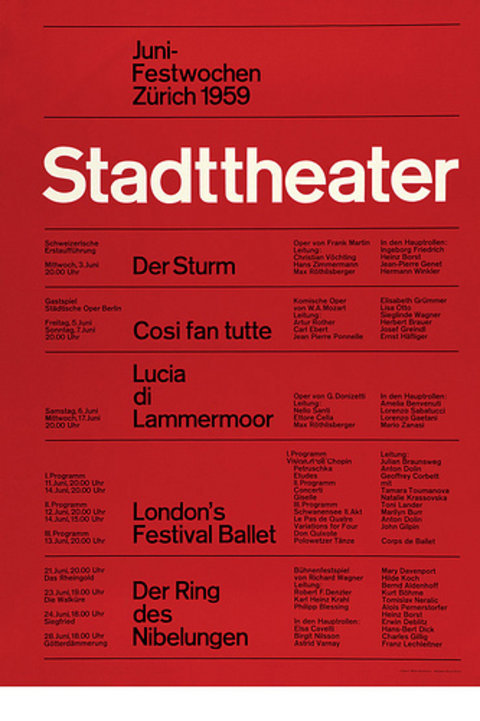
When we learn from the Swiss Style literature, it’s very easy to embrace the grid system as a purely visual framework. However, upon a further examination we can see that grids are more than just the art of placing elements; there’s a subtle layer of semantic organization of data which, despite not being inherent to the use of the grid, is a big part of the Swiss Style’s essence.
Swiss-graphic-design-133 in Lessons From Swiss Style Graphic Design

Poster3 in Lessons From Swiss Style Graphic Design

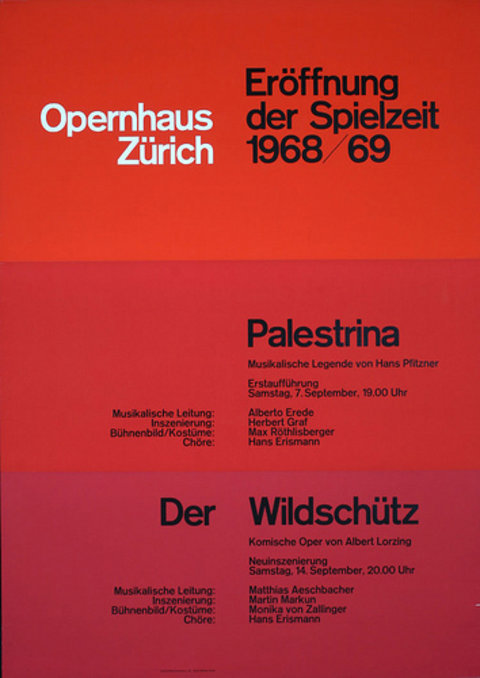
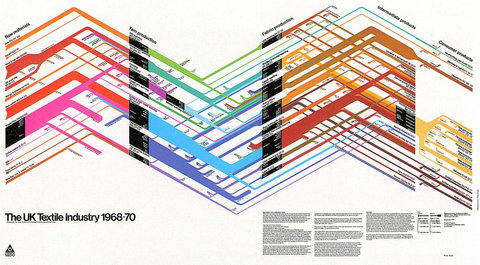
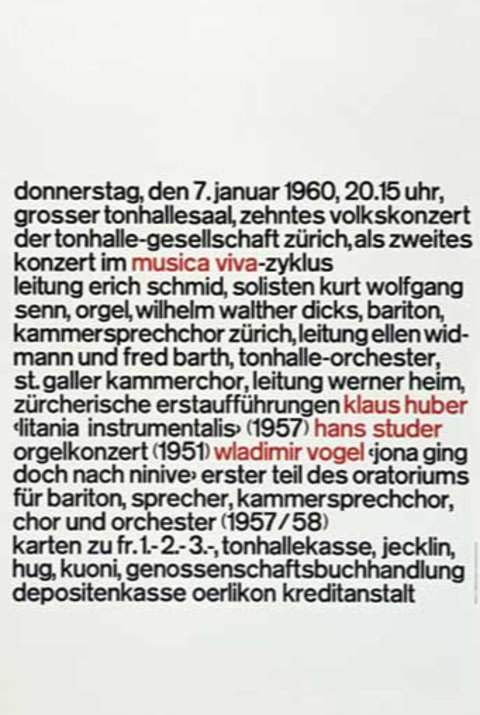
These posters have a very well-defined structure. It definitely feels like tabular data and tabular data is one such case that the disposition of the information extrapolates the realm of graphic layout and starts hinting on the meaning of data and how various chunks of data relate to each other.

The abuse of tables as structural elements was, and still is, very harmful to web accessibility. However, blindly replacing tables for div tags does not help to make code more semantic. List elements are a great solution for collections of similar data, but ULs and OLs do not define any kind of relation between this data.

Enter Definition Lists

Definition List (DL) is probably one of the most underestimated HTML elements. It’s a list element such as UL and OL, but it is supposed to present a collection of terms (DT) and descriptions (DD). Its most obvious use case is to represent dictionaries, but its potential goes way beyond that. The W3C Recommendation gives the example of a dialogue where DTs are character names and DDs are the text lines. It could also be used to represent calendars (days and assignments), articles summaries (titles and descriptions) and much more.

Dl Example1 in Lessons From Swiss Style Graphic Design

Elementary

Swiss-graphic-design-153 in Lessons From Swiss Style Graphic Design

Swiss-graphic-design-138 in Lessons From Swiss Style Graphic Design

There is also a direct influence from the constructivism, elementarism and minimalism movements in the Swiss Style artists. Minimal design is about removing the unnecessary and emphasizing the necessary; it’s about a functional and simple use of fundamental elements of style for the purpose of the artists’ objectives.

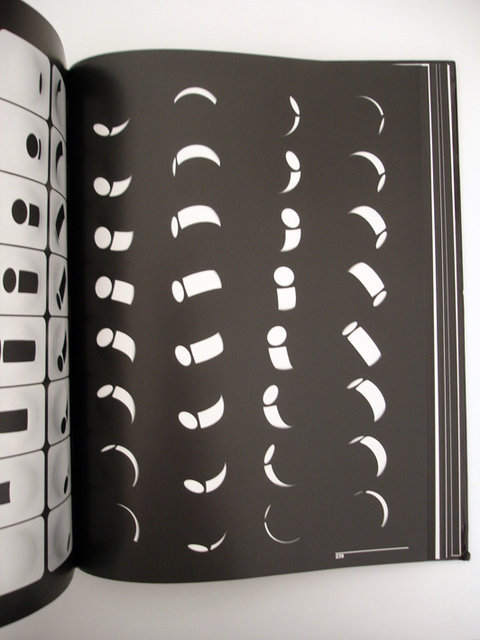
This principle is one of the core reasons why Swiss Style graphic designers pay so much attention to type. Typeface is one of the most fundamental elements of visual communication that is able to deliver the message in a very precise, clear way. According to the Swiss movement, adding more elements without fully exploring the potential of the fundamental ones can be considered a ‘waste’. As these basic elements, like typography, have so much aesthetic potential, there’s rarely a need for other visual graphics elements.

In many aspects, these ideas touch on the core proposals of the De Stijl movement. The neoplasticism, as proposed by De Stijl artists, is about elementarism and geometry not only as a form of exploring the potential of the fundamental elements, but as a pursuit of beauty and harmony, hinting on a more mystical belief in ‘ideal’ geometric forms.

Drop the Serif (…or rather don’t)
Helvetica Vs Akzidenz in Lessons From Swiss Style Graphic Design

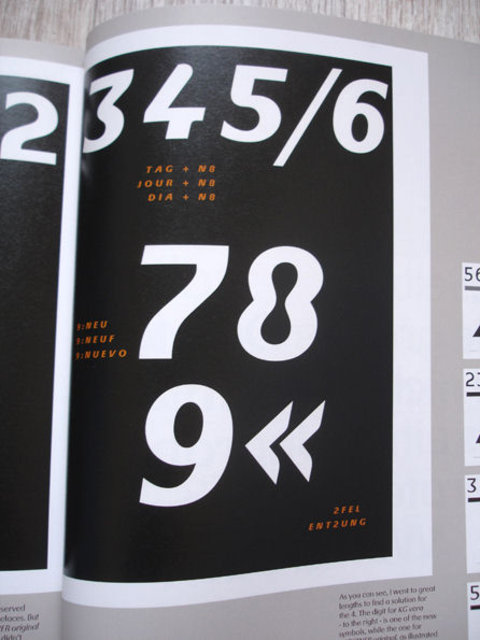
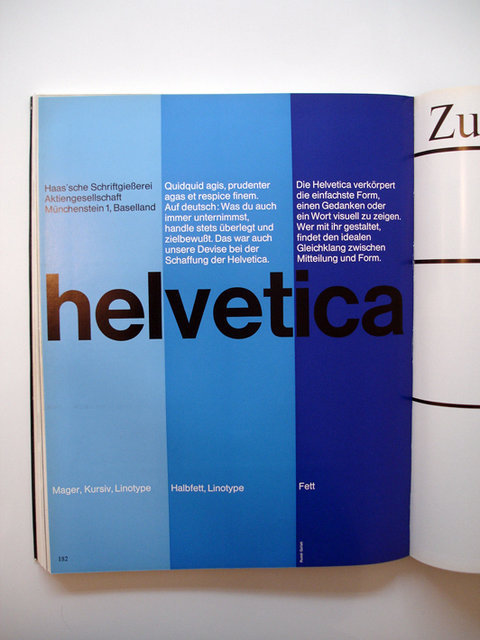
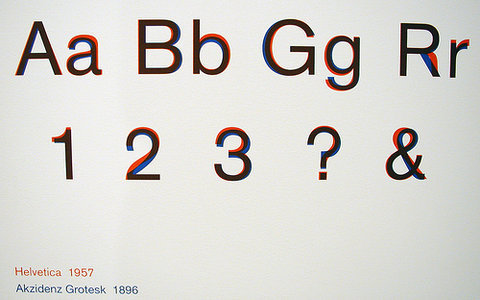
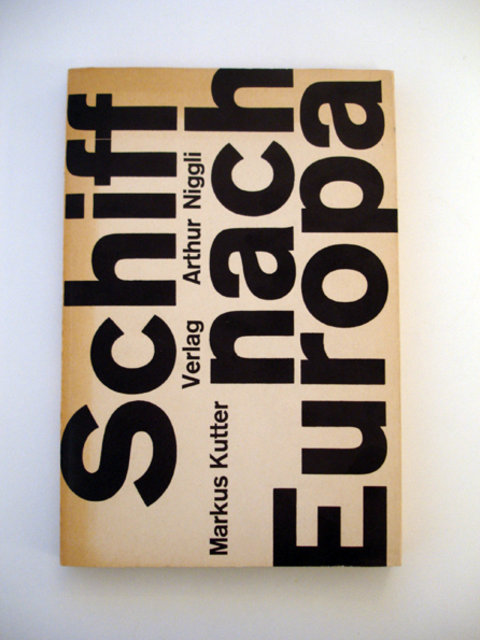
One of the strongest characteristics of the Swiss style typography is the use of sans-serif typefaces such as Akzidenz Grotesk and Neue Haas Grotesk (a.k.a Helvetica). In fact, when Jan Tschichold wrote Die neue Typographie, he ignored any use of non sans-serif typefaces. With this philosophy, graphic designers were aiming at clarity, simplicity and universality. Helvetica, for instance, is a typeface that is famous for its pervasiveness: it is used in corporate identity, street signs, magazines and pretty much everywhere else. The Swiss Style advocates that the typeface does not have to be expressive in itself, it must be an unobtrusive instrument of expression.

“I don’t think that type should be expressive at all. I can write the word ‘dog’ with any typeface and it doesn’t have to look like a dog. But there are people that [think that] when they write ‘dog’ it should bark.”

Massimo Vignelli in the documentaty Helvetica.
Swiss-graphic-design-182 in Lessons From Swiss Style Graphic Design

Swiss-graphic-design-181 in Lessons From Swiss Style Graphic Design

This is by no means a rigid rule. When Swiss Style graphic designers advocate the use of sans-serif typefaces, they weren’t paying attention to the historical legacy and experimented with something new. Even Jan Tschichold himself admitted that his book was too rigid. If there’s one single lesson from the Swiss Style it is to love and respect typefaces.

Font-size as a tool for readability, impact and rythm

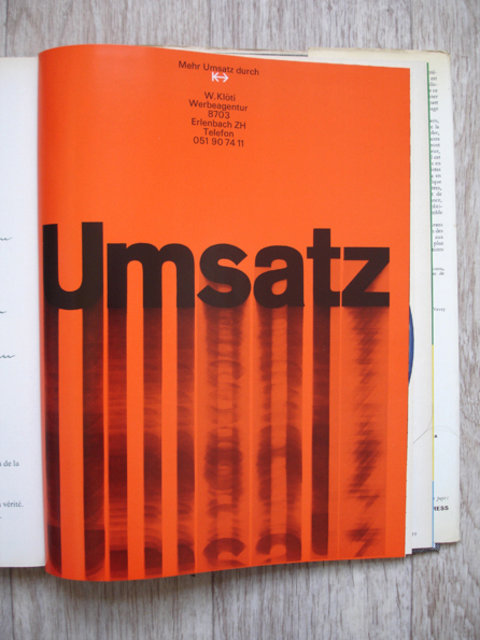
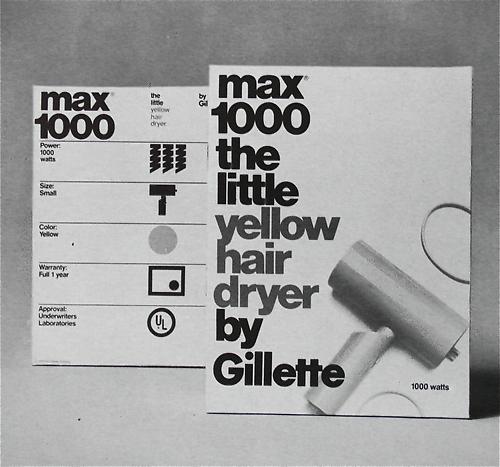
It’s very common to spot the use of font-size contrast in the works of the Swiss Style.
Swiss-graphic-design-144 in Lessons From Swiss Style Graphic Design

Poster6 in Lessons From Swiss Style Graphic Design

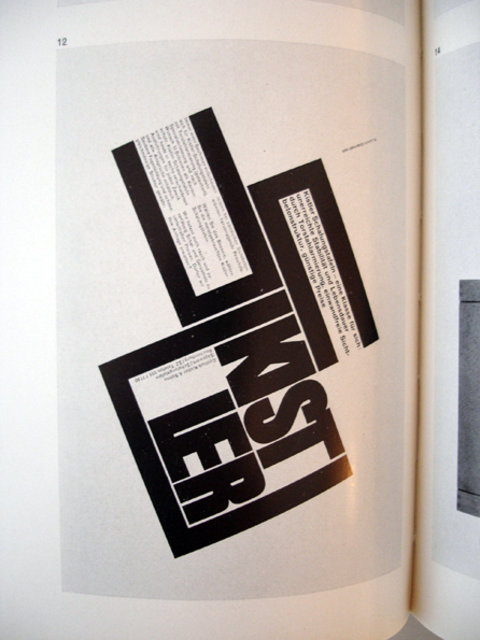
Different font-sizes not only generate visual impact, but also provide readers with a hint about the hierarchy of the presented data. Huge words are the entry points, the top-level elements in the content’s information architecture and page’s hierarchy. This is a very efficient way of guiding the reader’s eyes through the page, thus working as an interface to the content.

Photography. Yes, photography.

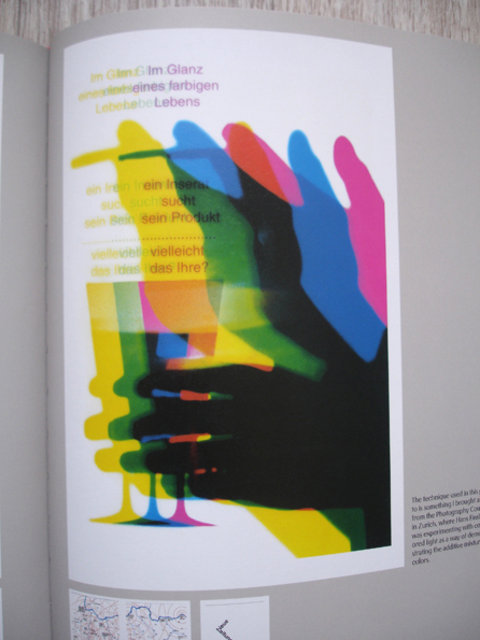
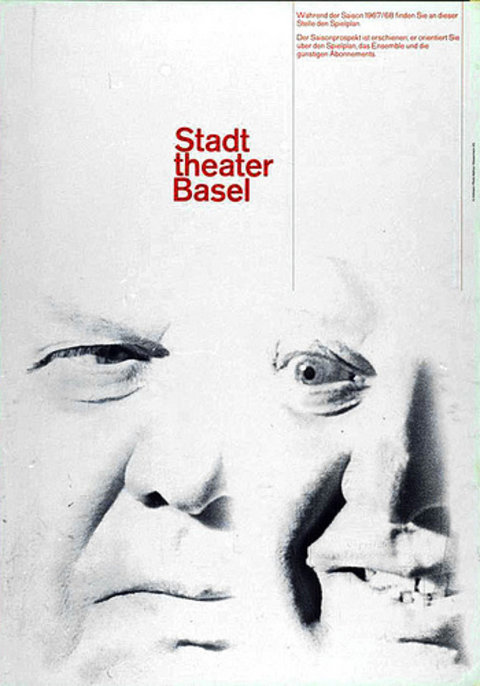
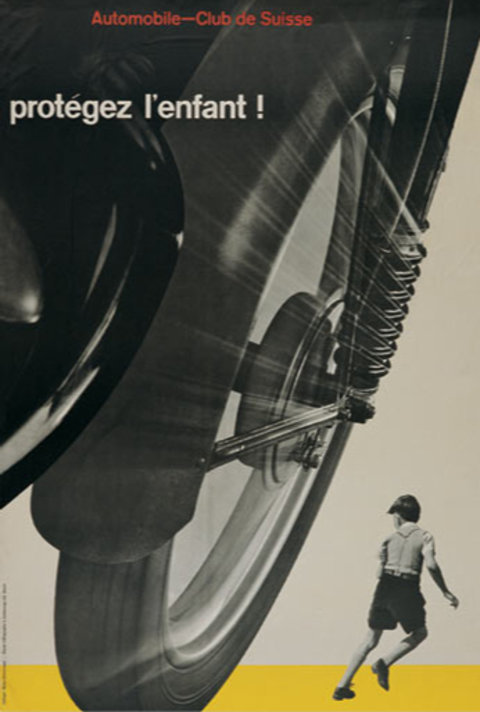
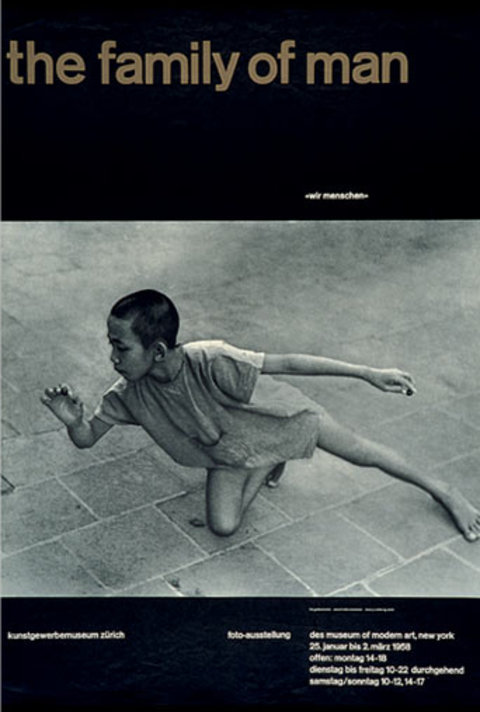
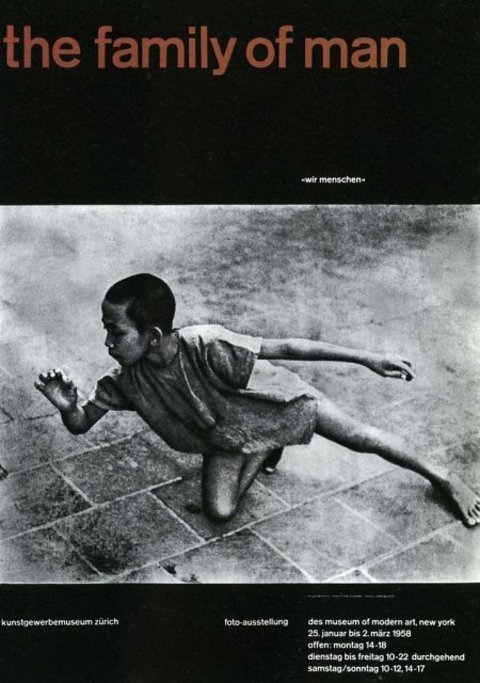
Despite not being particularly famous for it, one important part of the Swiss Style is its remarkable use of photography. Following the modernist ideas in which photography was a much better tool to portray reality than drawings and illustrations, the Neue grafik magazine, a very important Swiss graphic design publication at the time, dedicated a big part of its content to photography and its application in design.
Ph in Lessons From Swiss Style Graphic Design

Showcase of Swiss Graphics Design

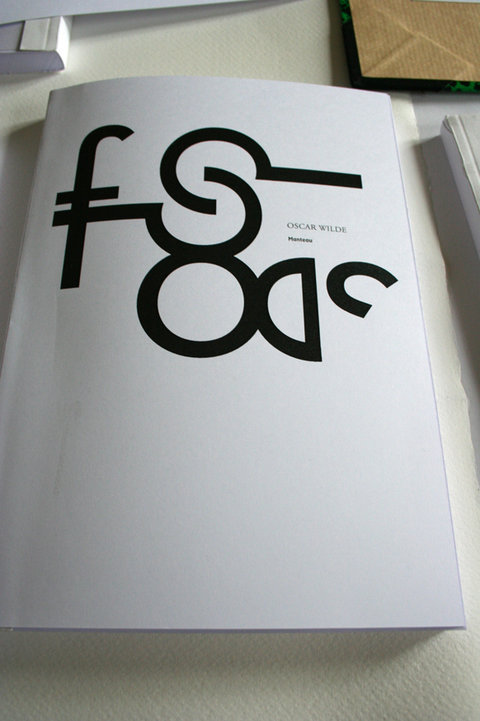
“de profundis”, oscar wilde

Swiss-graphic-design-101 in Lessons From Swiss Style Graphic Design

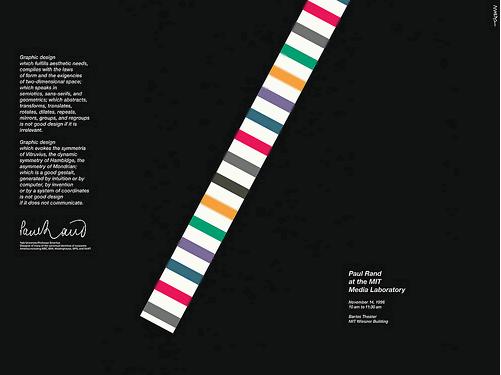
Paul Rand

Swiss-graphic-design-102 in Lessons From Swiss Style Graphic Design

Penrose Annual 1958

52 in Lessons From Swiss Style Graphic Design

Book Cover
A book cover with an interesting use of geometric forms.

Vintage-retro-097 in Lessons From Swiss Style Graphic Design

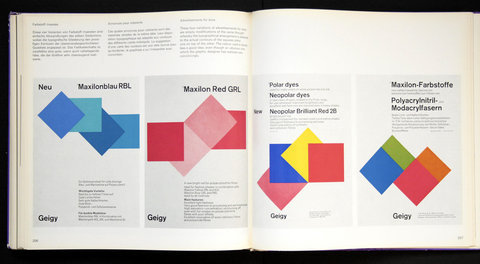
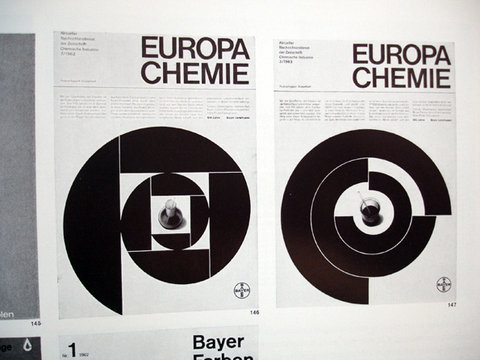
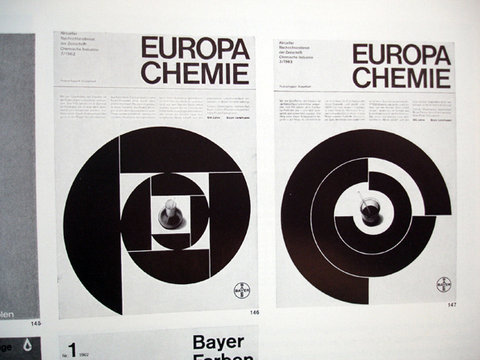
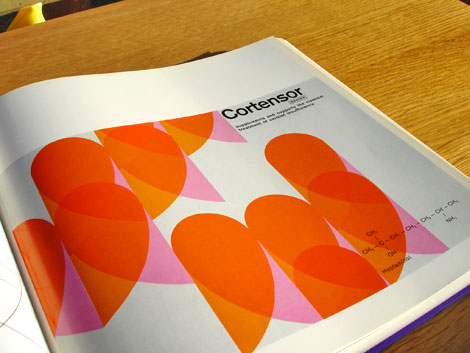
Swiss modern graphic design for the chemical industry
Swiss-graphic-design-105 in Lessons From Swiss Style Graphic Design

Swiss modern graphic design for the chemical industry
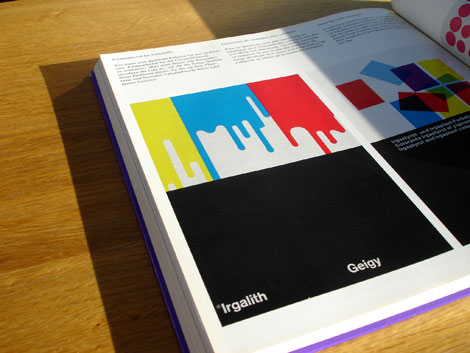
Swiss-graphic-design-106 in Lessons From Swiss Style Graphic Design

Swiss modern graphic design for the chemical industry
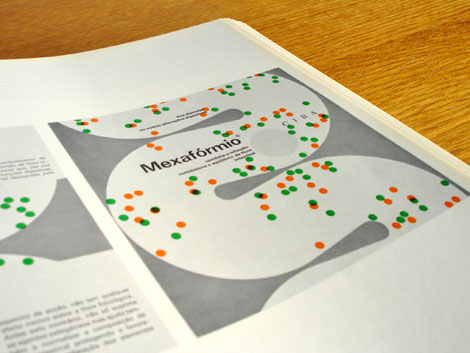
Swiss-graphic-design-107 in Lessons From Swiss Style Graphic Design

Swiss modern graphic design for the chemical industry
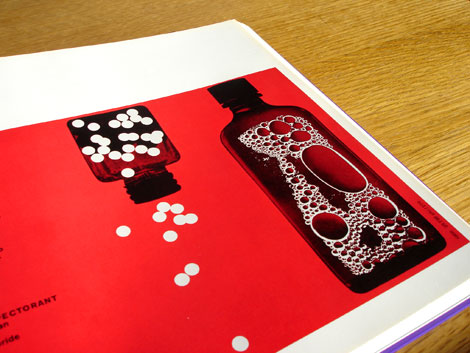
Swiss-graphic-design-110 in Lessons From Swiss Style Graphic Design

Basic Typography – Ruedi Rüegg/Godi Fröhlich 1972
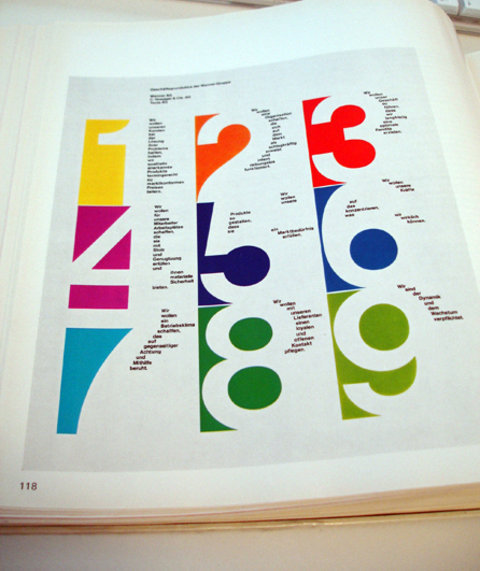
Swiss-graphic-design-113 in Lessons From Swiss Style Graphic Design

publicity and graphic design in the chemical industry
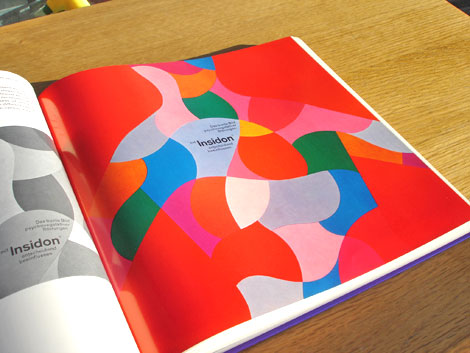
Swiss-graphic-design-115 in Lessons From Swiss Style Graphic Design

Corporate Design International – Wolfgang Schmittel
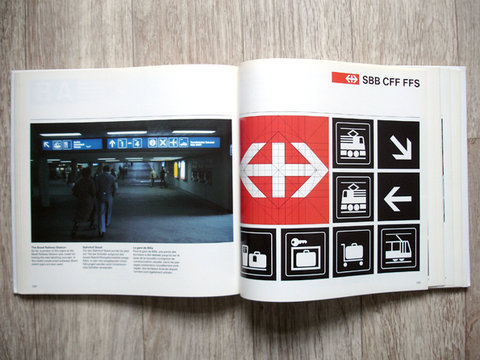
Swiss-graphic-design-117 in Lessons From Swiss Style Graphic Design

Karl Gerstner: Review of 5×10 years of graphic design

Karl in Lessons From Swiss Style Graphic Design

Karl Gerstner: Review of 5×10 years of graphic design

Swiss-graphic-design-119 in Lessons From Swiss Style Graphic Design

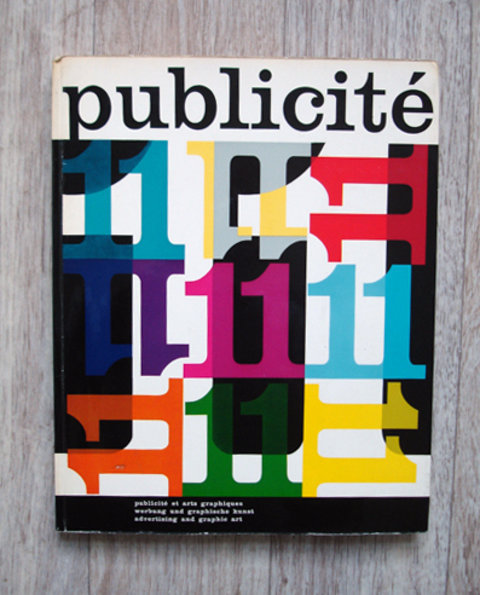
Publicite 11 1964

Swiss-graphic-design-120 in Lessons From Swiss Style Graphic Design

Publicite 11 1964

11 in Lessons From Swiss Style Graphic Design

Karl Gerstner: Review of 5×10 years of graphic design

Swiss-graphic-design-122 in Lessons From Swiss Style Graphic Design

Graphis Annual – 1965/66

Swiss-graphic-design-123 in Lessons From Swiss Style Graphic Design

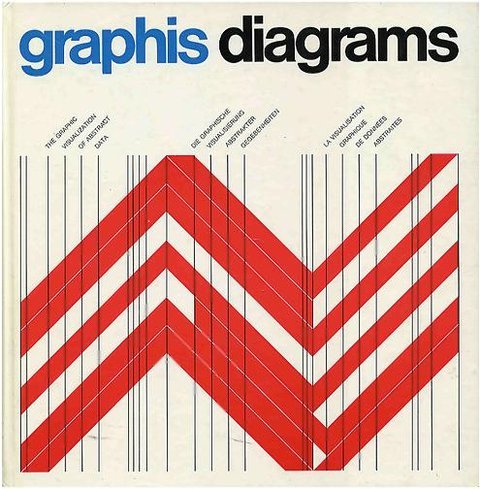
Graphis Diagrams ? 1974

Swiss-graphic-design-124 in Lessons From Swiss Style Graphic Design

Graphis 113 ? 1964

Swiss-graphic-design-125 in Lessons From Swiss Style Graphic Design

Odermatt & Tissi: Graphic Design
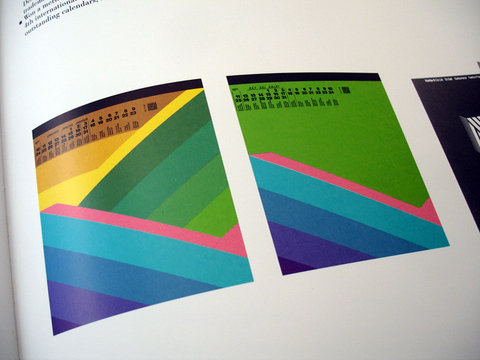
Swiss-graphic-design-126 in Lessons From Swiss Style Graphic Design

TM Typografische Monatsblätter – 1968

Swiss-graphic-design-127 in Lessons From Swiss Style Graphic Design

TM Typografische Monatsblätter – 1968

Swiss-graphic-design-128 in Lessons From Swiss Style Graphic Design

1960’s Advertising – Magazine Ad – Film special (Italy)
1969 Magazine Advertisement. “Film Special: bimestrale sui problemi della comunicazione audiovisia”. Advertising Office: Studio S & F Cappellato. Milano, Italy

Vintage-retro-125 in Lessons From Swiss Style Graphic Design

Film + Design by Peter Von Arx

Swiss-graphic-design-129 in Lessons From Swiss Style Graphic Design

Publicite 12

Swiss-graphic-design-130 in Lessons From Swiss Style Graphic Design

Publicite 12

Swiss-graphic-design-131 in Lessons From Swiss Style Graphic Design

Publicite 12

Swiss-graphic-design-132 in Lessons From Swiss Style Graphic Design

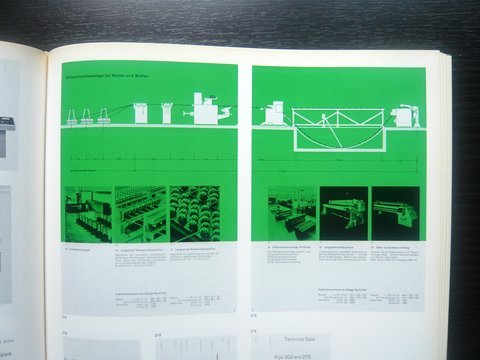
Publicite 12

Swiss-graphic-design-133 in Lessons From Swiss Style Graphic Design

abc verlag_publicity and graphic design in the chemical industry (82/91)

Swiss-graphic-design-134 in Lessons From Swiss Style Graphic Design

FFFFOUND! | Swiss Graphic Design

Swiss-graphic-design-135 in Lessons From Swiss Style Graphic Design

FFFFOUND! | but does it float

Swiss-graphic-design-136 in Lessons From Swiss Style Graphic Design

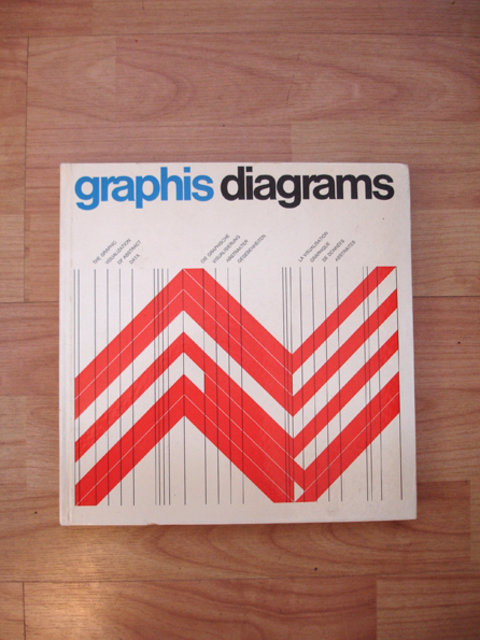
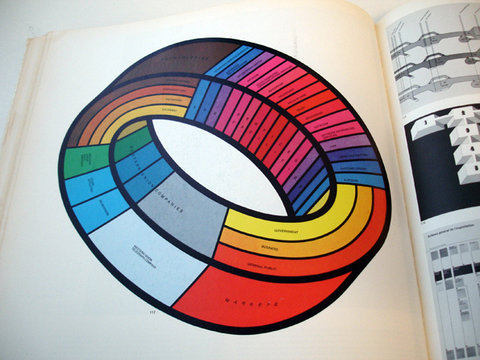
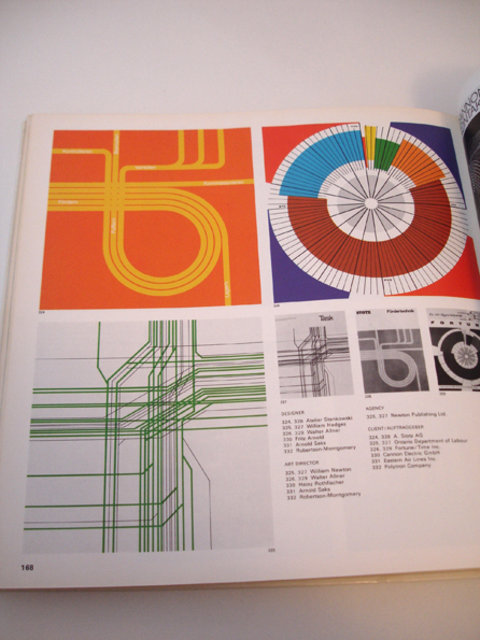
Graphis Diagrams

Swiss-graphic-design-137 in Lessons From Swiss Style Graphic Design

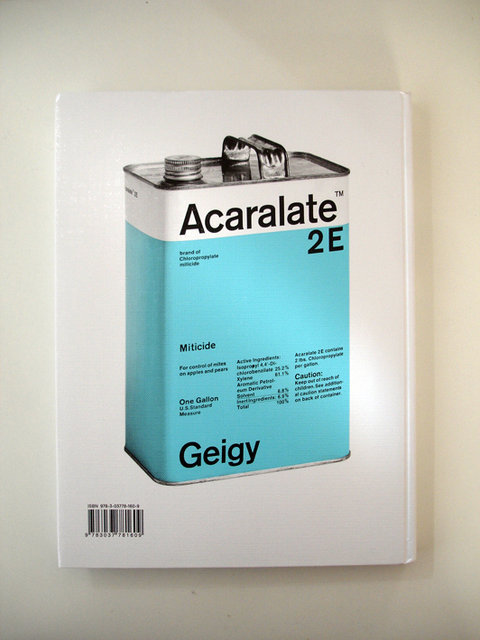
Corporate Diversity – Swiss Graphic Design and Advertising by Geigy 1940-1970
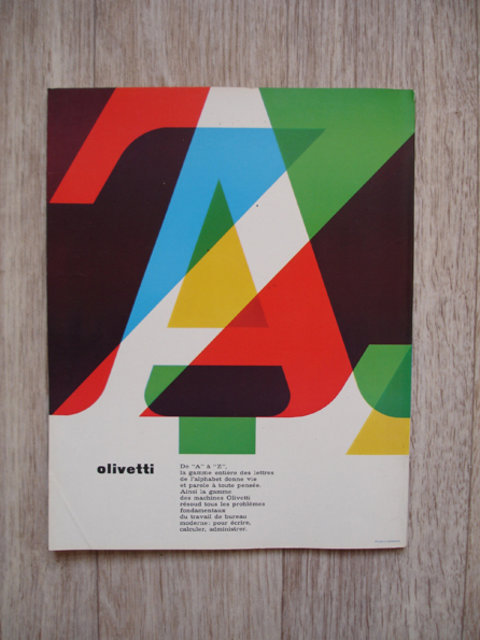
Swiss-graphic-design-138 in Lessons From Swiss Style Graphic Design

Graphis 115 ? 1964

Swiss-graphic-design-139 in Lessons From Swiss Style Graphic Design

Graphis Diagrams –– 1974

Swiss-graphic-design-140 in Lessons From Swiss Style Graphic Design

Graphis 121 –– 1965

Swiss-graphic-design-141 in Lessons From Swiss Style Graphic Design

Graphis Annual – 1965/66

Swiss-graphic-design-142 in Lessons From Swiss Style Graphic Design

Archigraphia

Swiss-graphic-design-143 in Lessons From Swiss Style Graphic Design

Graphis Packaging 3

Swiss-graphic-design-144 in Lessons From Swiss Style Graphic Design

Graphis Annual – 1965/66

Swiss-graphic-design-145 in Lessons From Swiss Style Graphic Design

Graphis International – Wim Crouwel interview
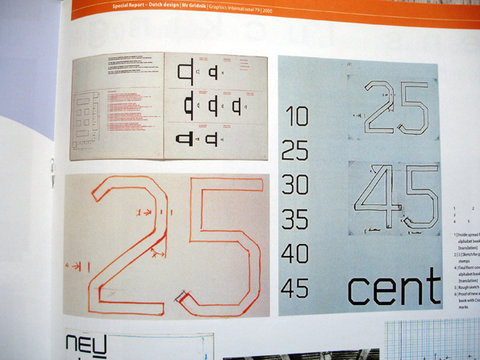
Swiss-graphic-design-146 in Lessons From Swiss Style Graphic Design

TM SGM 2/1962

Swiss-graphic-design-147 in Lessons From Swiss Style Graphic Design

Graphis Diagrams –– 1974

Swiss-graphic-design-148 in Lessons From Swiss Style Graphic Design

Graphis Diagrams 1

Swiss-graphic-design-149 in Lessons From Swiss Style Graphic Design

International Graphic Design

Swiss-graphic-design-150 in Lessons From Swiss Style Graphic Design

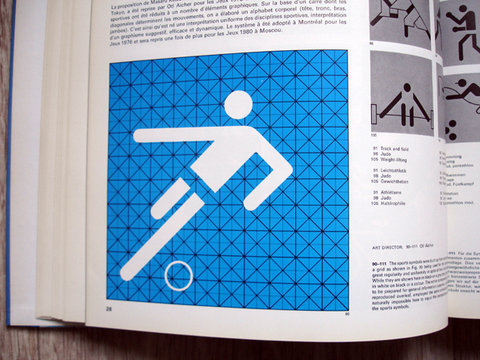
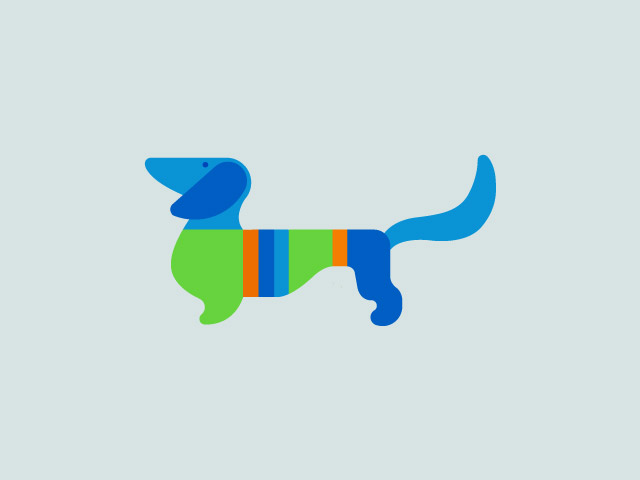
Waldi by Otl Aicher

Swiss-graphic-design-151 in Lessons From Swiss Style Graphic Design

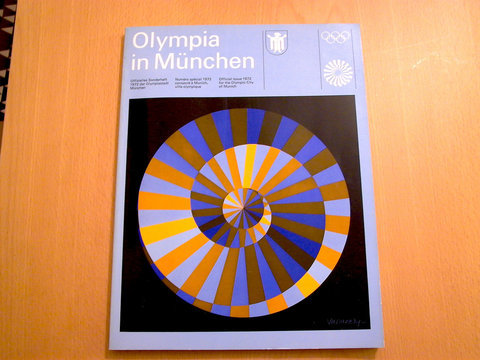
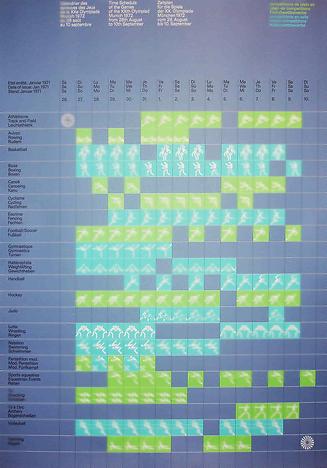
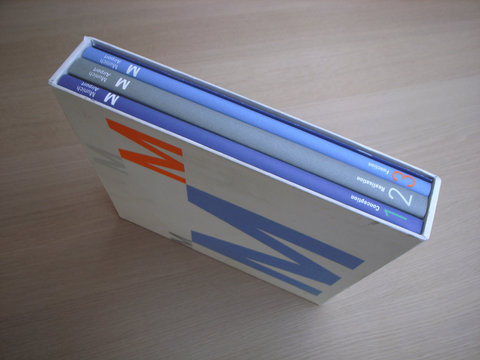
otl aicher visual communication – munich olympics – münchen olympia 1972

Swiss-graphic-design-152 in Lessons From Swiss Style Graphic Design

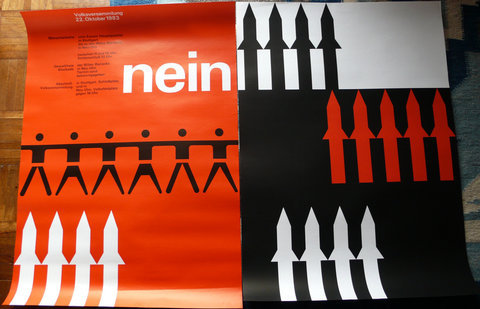
otl aicher – nein

Swiss-graphic-design-153 in Lessons From Swiss Style Graphic Design

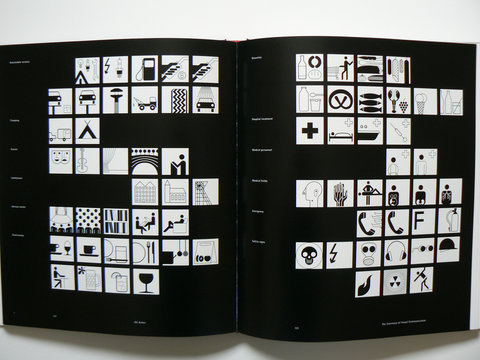
Otl Aicher ERCO Pictograms

Swiss-graphic-design-154 in Lessons From Swiss Style Graphic Design

1972 Munich Olympics

Swiss-graphic-design-155 in Lessons From Swiss Style Graphic Design

Erscheinungsbild Flughafen München
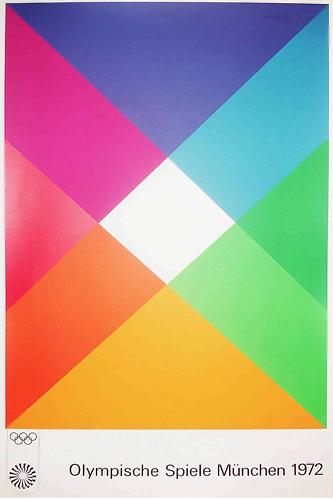
Swiss-graphic-design-156 in Lessons From Swiss Style Graphic Design

Participation Medal – Back

Swiss-graphic-design-157 in Lessons From Swiss Style Graphic Design

1972 Munich Olympics

Swiss-graphic-design-158 in Lessons From Swiss Style Graphic Design

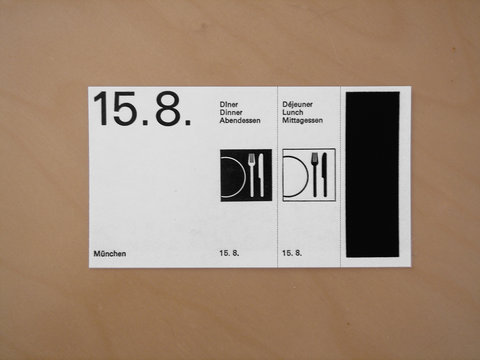
Meal Voucher

Swiss-graphic-design-159 in Lessons From Swiss Style Graphic Design

Graphis Annual – 1965/66

Swiss-graphic-design-160 in Lessons From Swiss Style Graphic Design

Graphis 113 –– 1964

Swiss-graphic-design-161 in Lessons From Swiss Style Graphic Design

graphis Posters 86

Swiss-graphic-design-162 in Lessons From Swiss Style Graphic Design

Graphic Design in Swiss Industry / Schweizer Industrie Grafik
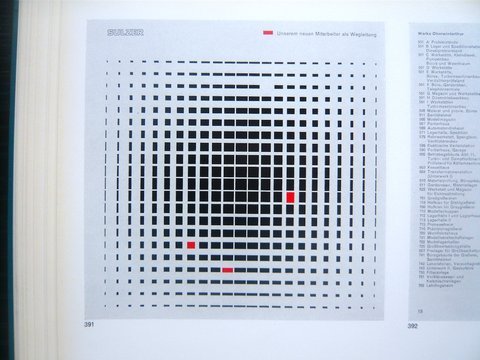
Swiss-graphic-design-163 in Lessons From Swiss Style Graphic Design

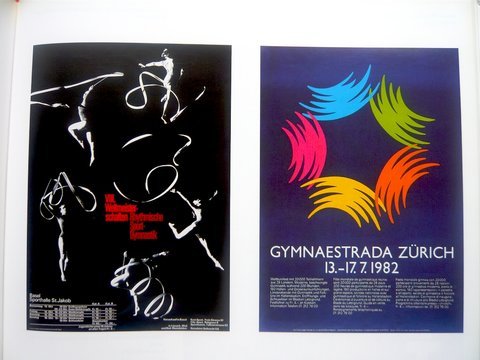
Swiss Sports Posters

Swiss-graphic-design-164 in Lessons From Swiss Style Graphic Design

Swiss New Graphic Design

Swiss-graphic-design-165 in Lessons From Swiss Style Graphic Design

Swiss New Graphic Design 41

Swiss-graphic-design-166 in Lessons From Swiss Style Graphic Design

Swiss Graphic Design

Swiss-graphic-design-168 in Lessons From Swiss Style Graphic Design

International Typographic Style 7

Swiss-graphic-design-169 in Lessons From Swiss Style Graphic Design

Swiss Graphic Design

Swiss-graphic-design-170 in Lessons From Swiss Style Graphic Design

The ABCs of Bauhaus

Swiss-graphic-design-171 in Lessons From Swiss Style Graphic Design

Bauhaus advertising

Swiss-graphic-design-172 in Lessons From Swiss Style Graphic Design

wallpaper bauhaus

Swiss-graphic-design-173 in Lessons From Swiss Style Graphic Design

American Graphic Design

Swiss-graphic-design-174 in Lessons From Swiss Style Graphic Design

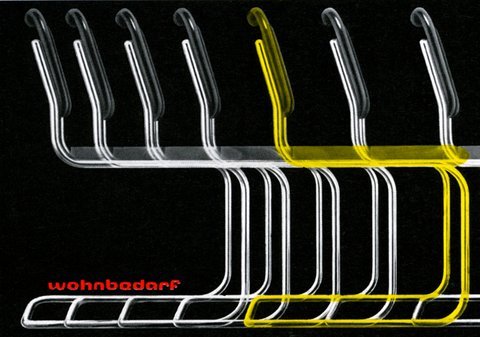
History Swiss Graphic Design, Wohnbedarf

Swiss-graphic-design-175 in Lessons From Swiss Style Graphic Design

20_carto

Swiss-graphic-design-176 in Lessons From Swiss Style Graphic Design

typo-sample-y

Swiss-graphic-design-177 in Lessons From Swiss Style Graphic Design

Graphic Design in Swiss Industry / Schweizer Industrie Grafik
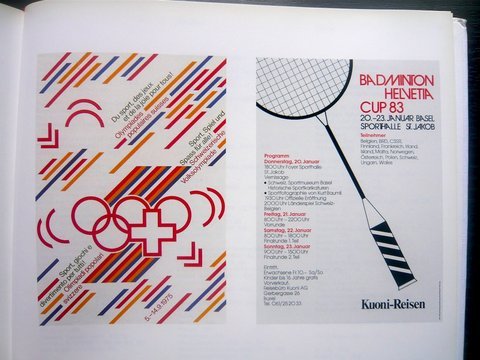
Swiss-graphic-design-178 in Lessons From Swiss Style Graphic Design

Swiss Sports Posters

Swiss-graphic-design-179 in Lessons From Swiss Style Graphic Design

Graphic Design in Swiss Industry / Schweizer Industrie Grafik
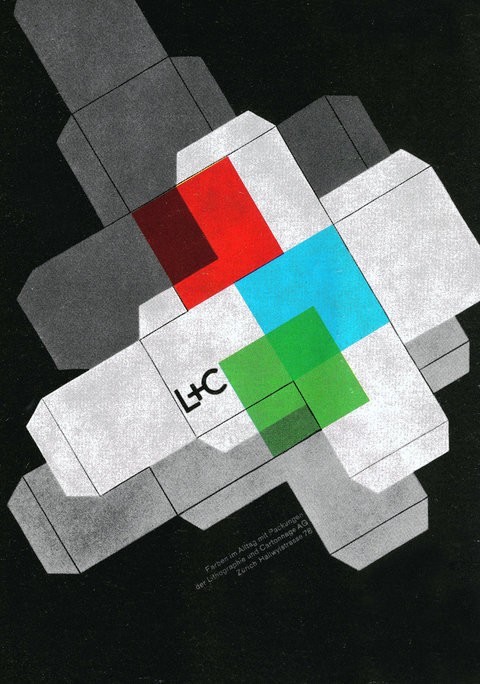
Swiss-graphic-design-180 in Lessons From Swiss Style Graphic Design

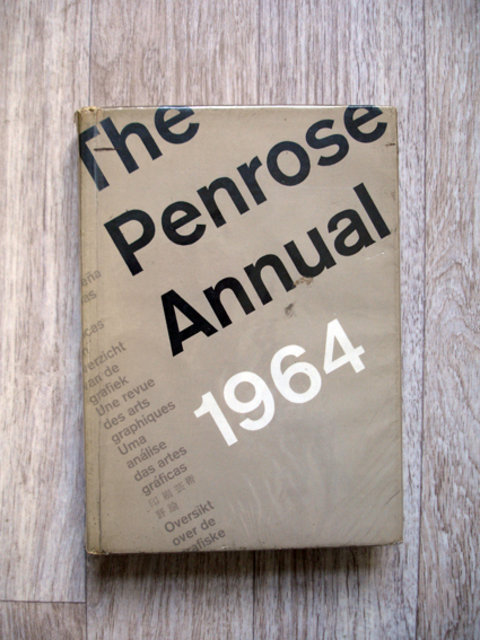
Penrose Annual 1964

Swiss-graphic-design-181 in Lessons From Swiss Style Graphic Design

Schiff nach Europa –– Markus Kutter/Karl Gerstner 1957

Swiss-graphic-design-182 in Lessons From Swiss Style Graphic Design

Publicity and Graphic Design in the Chemical Industry / Chemie Werbung Und Grafik
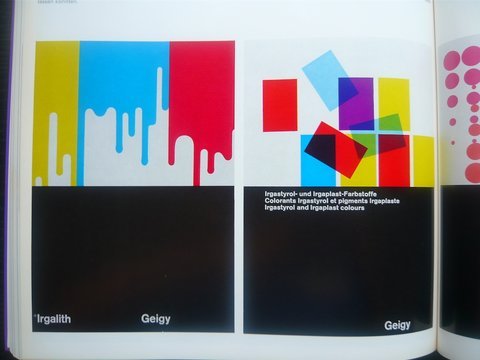
Swiss-graphic-design-183 in Lessons From Swiss Style Graphic Design

Schiff nach Europa –– Markus Kutter/Karl Gerstner 1957
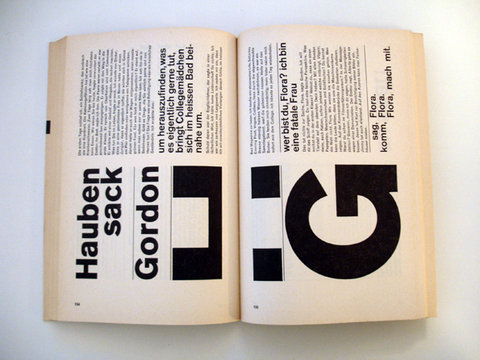
Swiss-graphic-design-184 in Lessons From Swiss Style Graphic Design

graphis Posters 86

Swiss-graphic-design-185 in Lessons From Swiss Style Graphic Design

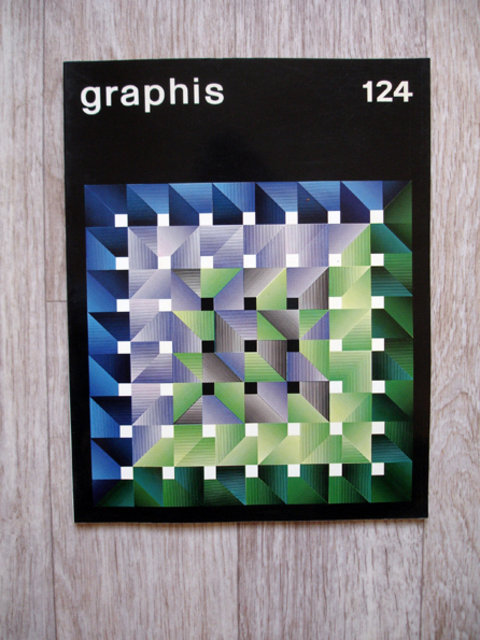
Graphis 124 –– 1966

Swiss-graphic-design-186 in Lessons From Swiss Style Graphic Design

Graphis 92 –– 1960

Swiss-graphic-design-187 in Lessons From Swiss Style Graphic Design

Graphis 113 –– 1964

Swiss-graphic-design-188 in Lessons From Swiss Style Graphic Design

Graphis Diagrams –– 1974

Swiss-graphic-design-189 in Lessons From Swiss Style Graphic Design

Graphis Diagrams 1

Swiss-graphic-design-190 in Lessons From Swiss Style Graphic Design

Graphis Diagrams 1

Swiss-graphic-design-191 in Lessons From Swiss Style Graphic Design

Graphis Diagrams 1

Swiss-graphic-design-192 in Lessons From Swiss Style Graphic Design

FFFFOUND! | swissmiss

Swiss-graphic-design-193 in Lessons From Swiss Style Graphic Design

Masters

Theo Ballmer

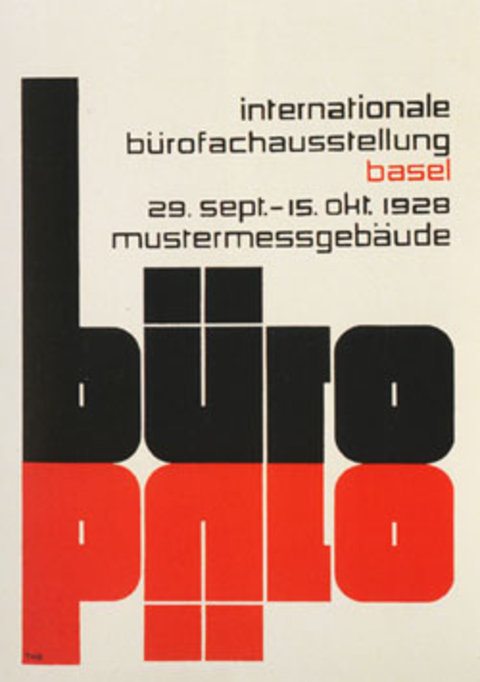
Theo Ballmer is best known for his posters, but he also worked as a photographer, lettering designer, teacher and typographer. He demonstrated talent from a very early age when he studied at the Zürich Kunstgewerbeschule, where he had Ernst Keller as one of his professors. Like many other Swiss Graphic designers Ballmer went to the Bauhaus, but only after he was already an established designer.
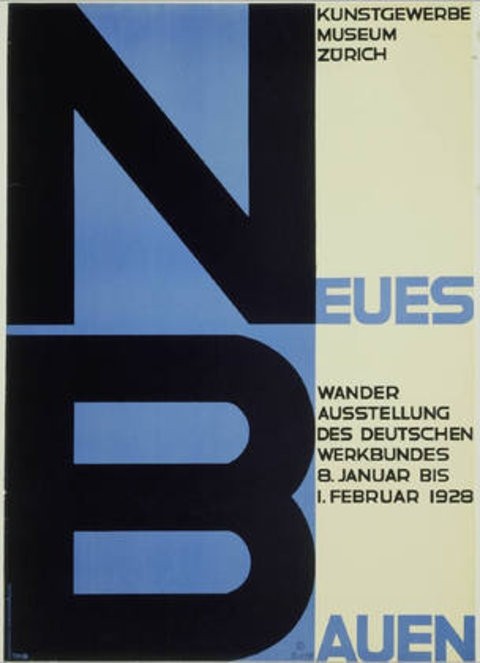
Ballmer3 in Lessons From Swiss Style Graphic Design

Ballmer1 in Lessons From Swiss Style Graphic Design

Ballmer2 in Lessons From Swiss Style Graphic Design

Max Bill

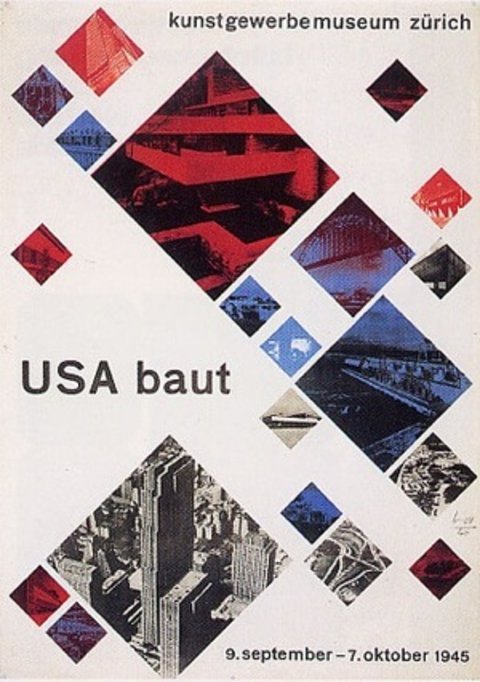
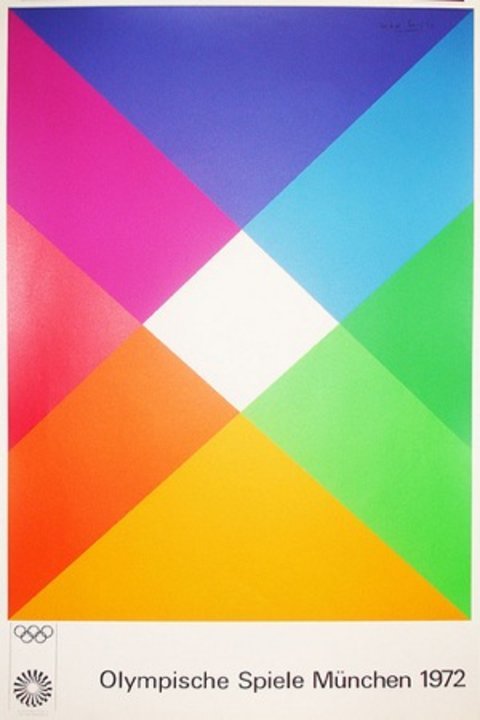
Max Bill was an architect, painter, typographer, industrial and graphic designer. He studied at the Bauhaus until late 1920’s when he moved to Zurich where he became a teacher and prime member of the Allianz group of graphic designers.
Bill4 in Lessons From Swiss Style Graphic Design

Bill3 in Lessons From Swiss Style Graphic Design

Bill1 in Lessons From Swiss Style Graphic Design

Bill2 in Lessons From Swiss Style Graphic Design

Adrian Frutiger

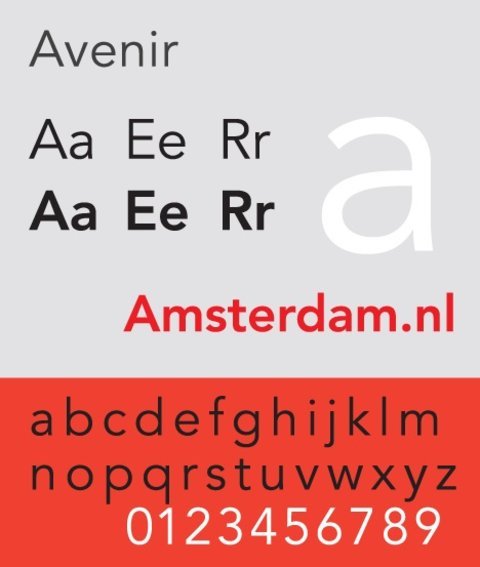
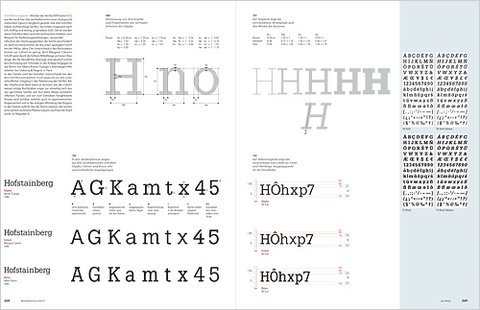
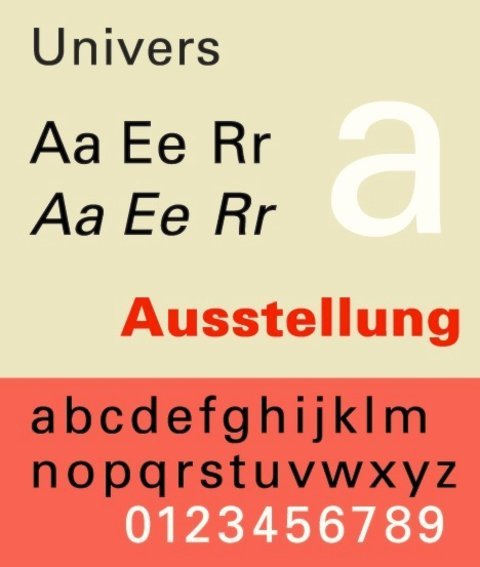
Adrian Frutiger is the master typeface designer behind the Univers, Frutiger and Avenir typefaces, just to mention a few. He studied calligraphy at the Zürich Kunstgewerbeschule, which along with his interest in sculpture helped shape his style as a typeface designer.

In the early 1970’s he designed the Paris Metro signature with a variation of Univers, he was then asked to design the ‘way-finding signature’ for Paris Charles de Gaulle International Airport. His work on that resulted in the Frutiger typeface.
Frutiger3 in Lessons From Swiss Style Graphic Design

Frutiger1 in Lessons From Swiss Style Graphic Design

Frutiger2 in Lessons From Swiss Style Graphic Design

Karl Gerstner

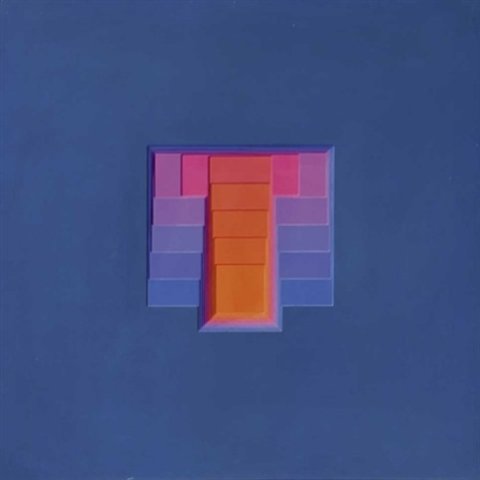
Painter, graphic designer and typographer, Karl Gerstner is as important for his design as for his ideas about design as a process. He developed ideas of a flexible grid with computational systems in mind. He also developed the notion of ‘integral’ typography: where the message and its form are inseparable and interdependent, the idea being inseparable from typography.

Gerstner1 in Lessons From Swiss Style Graphic Design

Gerstner2 in Lessons From Swiss Style Graphic Design

Gerstner3 in Lessons From Swiss Style Graphic Design

Armin Hofmann

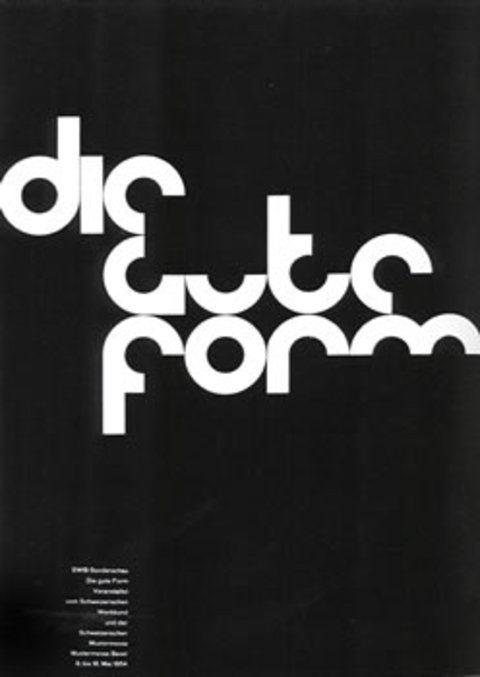
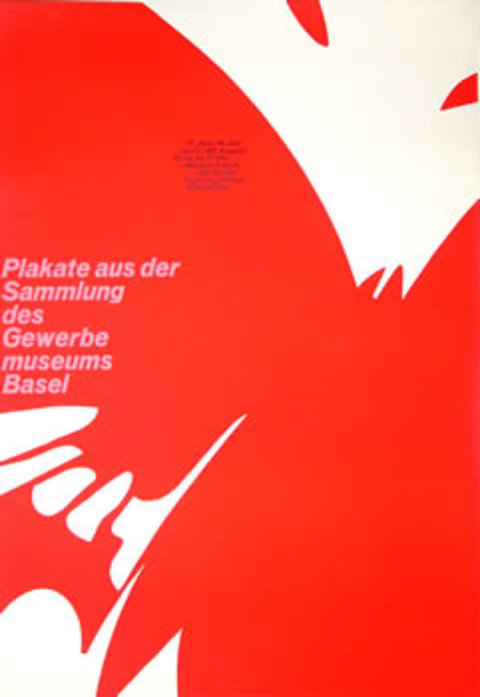
Armin Hofmann taught and worked as a director at the Basel school of Design. Basel was a small city of about 250.000 inhabitants that became very important for the development of the Swiss modernism, most due to the direction of Hofmann of his predecessor Emil Ruder.
Hofmann3 in Lessons From Swiss Style Graphic Design

Hofmann4 in Lessons From Swiss Style Graphic Design

Hofmann5 in Lessons From Swiss Style Graphic Design

Hofmann1 in Lessons From Swiss Style Graphic Design

Hofmann2 in Lessons From Swiss Style Graphic Design

Ernst Keller

Ernst Keller was a professor at the Zürich Kunstgewerbeschule from 1918 to 1956 where many of his pupils went on to become influential graphic designers, for what he’s consider one of the fathers of the Swiss school of graphics

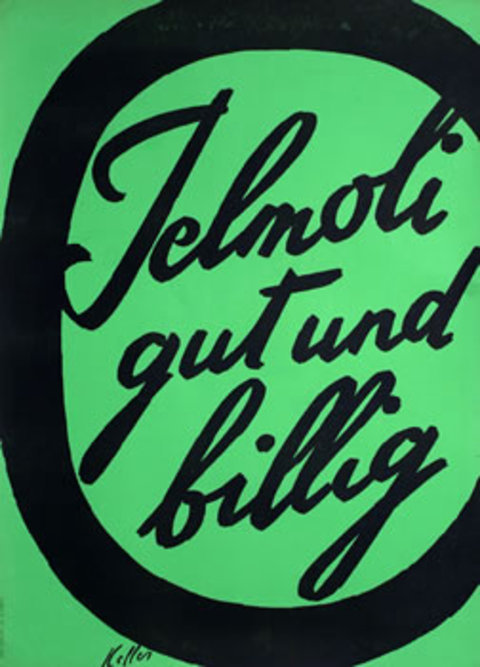
Keller1 in Lessons From Swiss Style Graphic Design

Keller2 in Lessons From Swiss Style Graphic Design

Herbert Matter

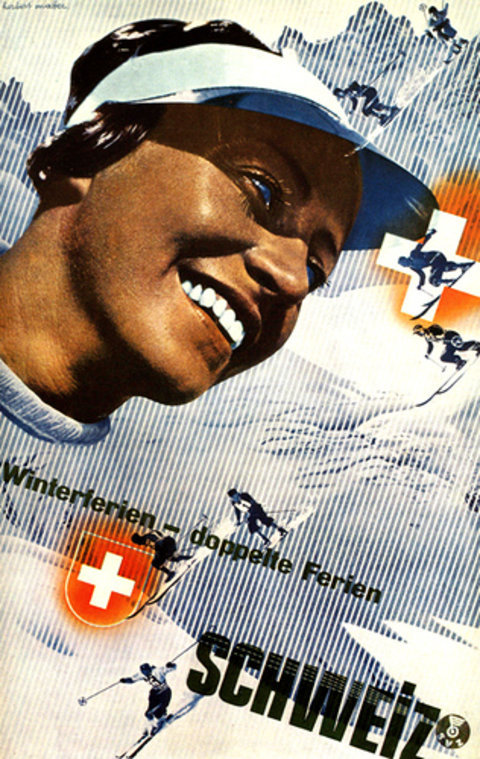
Matter was a pioneer in the use of photomontage, which with its talented use of type earned him great international acclamation. After working for the Swiss National Tourist Office and Swiss resorts he moved to the United States in 1936 and started teaching Photography at Yale University in 1952.
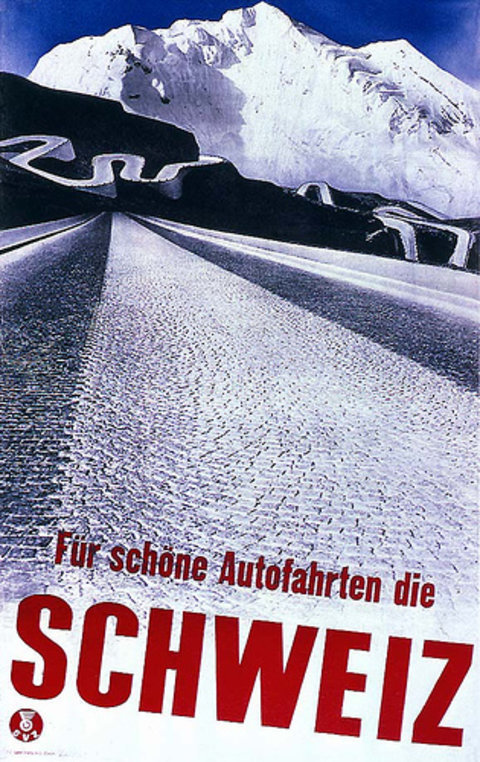
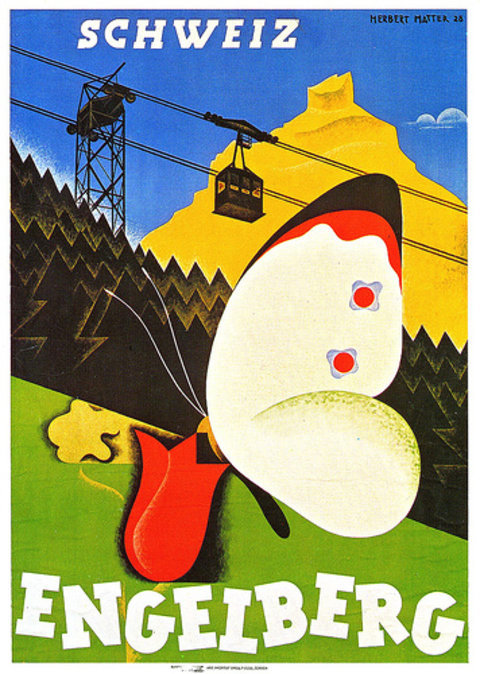
Matter1 in Lessons From Swiss Style Graphic Design

Matter2 in Lessons From Swiss Style Graphic Design

Matter3 in Lessons From Swiss Style Graphic Design

Jan Tschichold

Jan Tschichold became a leading advocate of modernist design after visiting the Wiemar Bauhaus exhibition in 1923. His most famous work is the book Die neue Typographie which organised most of the modernist design principles. He went to England in 1947 were he was wired to Penguin Books and directed the creation of the famous Penguin Composition Rules. He is the designer of the Sabon typeface.
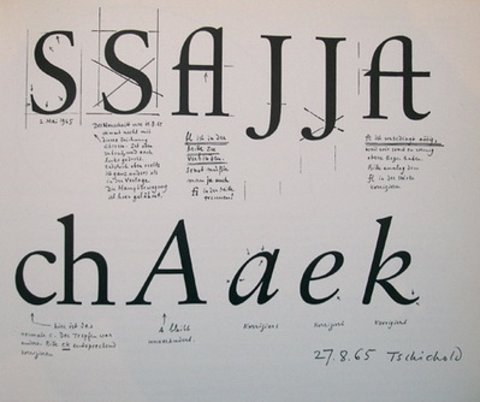
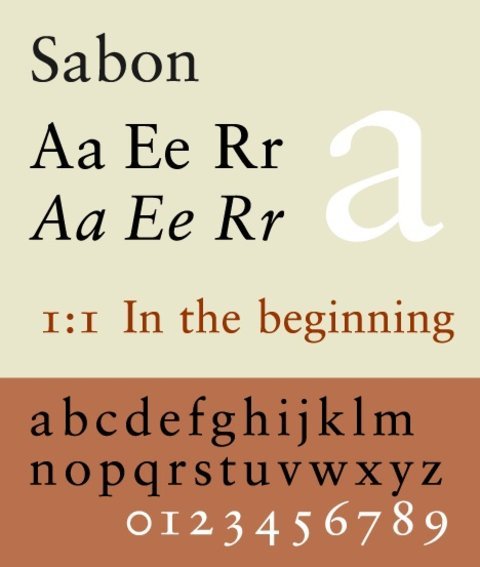
Tschichold1 in Lessons From Swiss Style Graphic Design

Tschichold2 in Lessons From Swiss Style Graphic Design

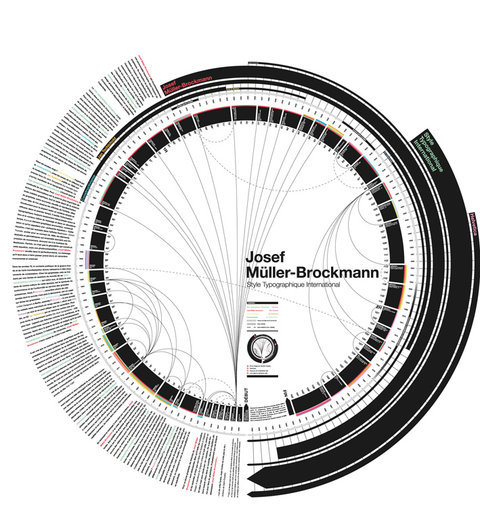
Josef Müller-Brockmann

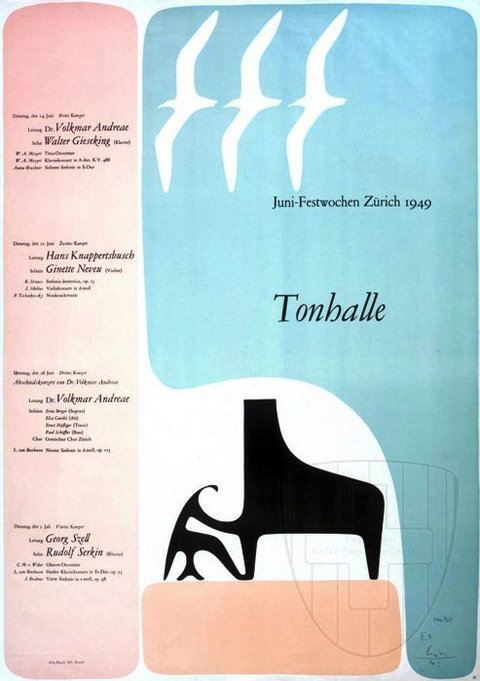
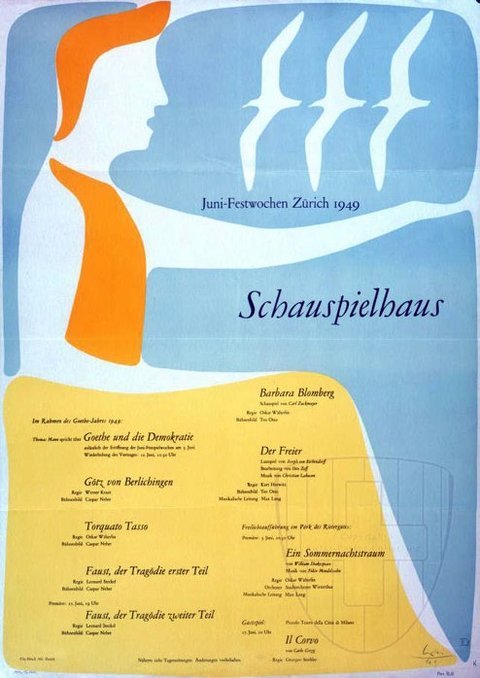
Müller-Brockmann studied at the Zürich Kunstgewerbeschule and years later returned as a professor, succeeding Ernst Keller. He opened his own studio specialised in graphic design and photography where he produced the famous concert posters for the Tonhalle in Zurich. In 1966 he was appointed European design consultant to IBM.
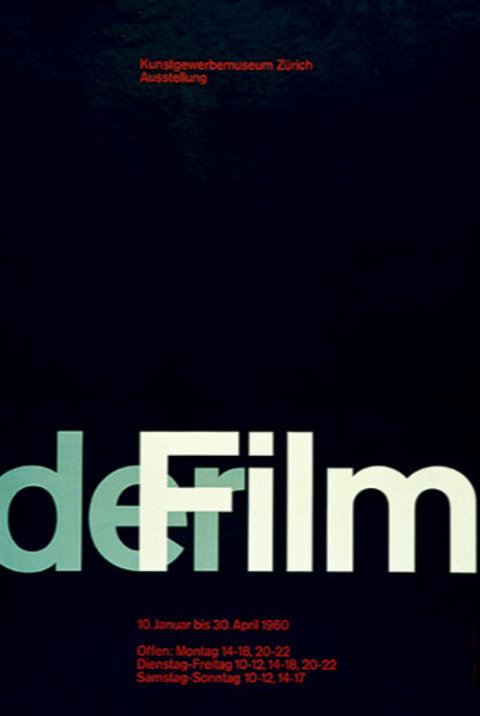
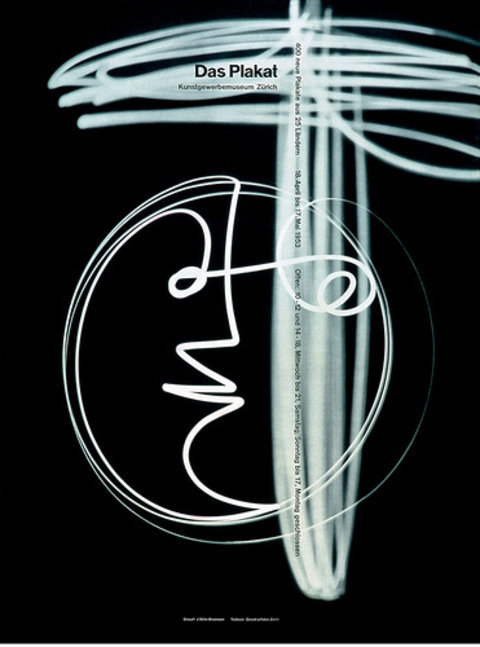
Brockmann1 in Lessons From Swiss Style Graphic Design

Brockmann2 in Lessons From Swiss Style Graphic Design

Brockmann3 in Lessons From Swiss Style Graphic Design

Brockmann4 in Lessons From Swiss Style Graphic Design

Brockmann5 in Lessons From Swiss Style Graphic Design

Brockmann6 in Lessons From Swiss Style Graphic Design

Cases

Subtraction.com

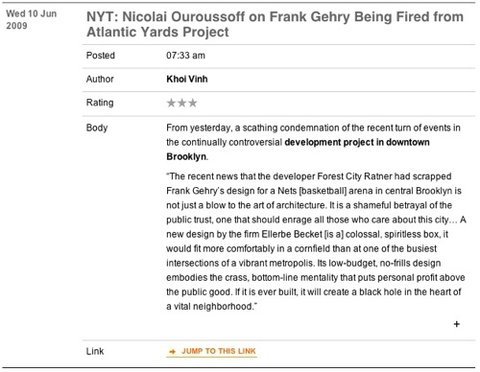
subtraction.com is the personal web site of Koi Vinh, the Design Director at NYTimes.com. Vinh is famous for his advocacy of the use of grid systems and is often quoted as an authority on the subject.
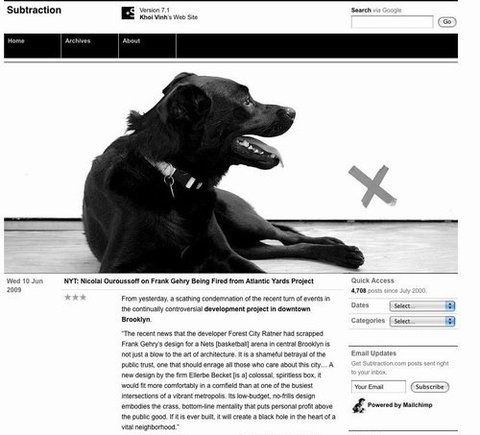
Subtraction Homepage in Lessons From Swiss Style Graphic Design

Apart from the simplicity and the obvious use of a grid, Subtraction employs a very well defined structure that makes it very intuitive to understand the content that’s presented and how we can interact with it.
Subtraction Structure in Lessons From Swiss Style Graphic Design

V+Lourenco

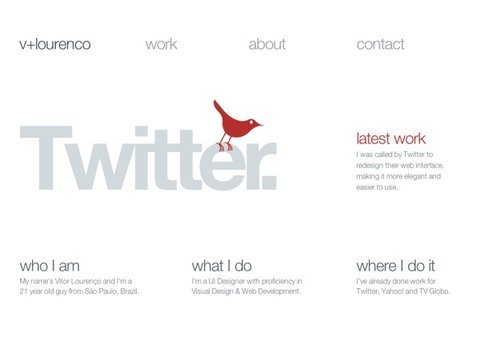
vlourenco.com is the home site and portfolio of a Brazilian interactive designer Vitor Lourenço. Amongst many other interesting works, Vitor was in charge of the latest redesign of Twitter.
Vlourenco Homepage in Lessons From Swiss Style Graphic Design

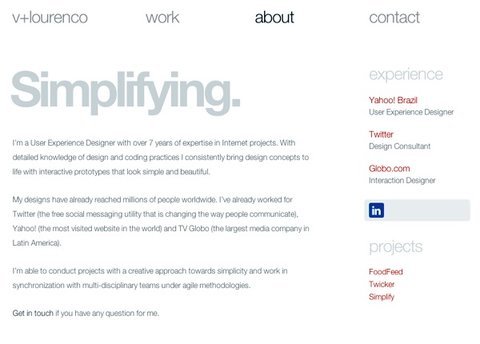
Vitor’s site stands on the edge of simplicity: if there were less elements it would be too hard to navigate, but if there was more it wouldn’t be as beautiful as it is. The beautiful Helvetica Neue Light gets all the whitespace it deserves and the minimal content is organized simply by contrast and color.
Vlourenco Whitespace in Lessons From Swiss Style Graphic Design

Design Judge

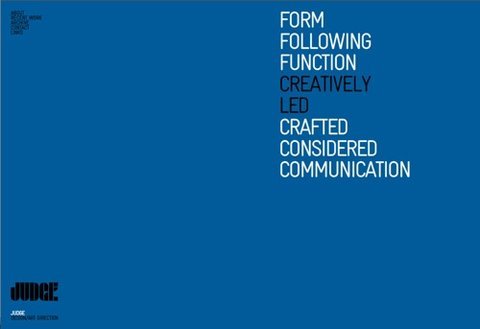
designjudge.co.uk is the online portfolio of Matt Judge, a London based designer.
Designjudge1 in Lessons From Swiss Style Graphic Design

This site employs many of the lessons from the Swiss Style: beautiful typography along with the strong background colors, a hint of a grid structure and a nice use of a font size.

Designjudge2 in Lessons From Swiss Style Graphic Design

Kingston University – Out There

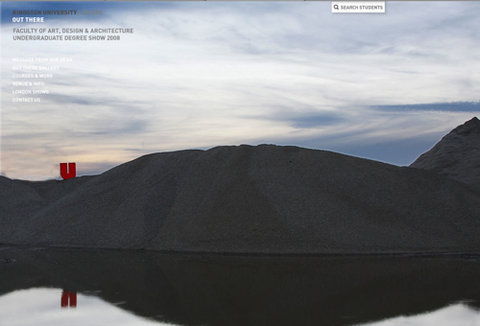
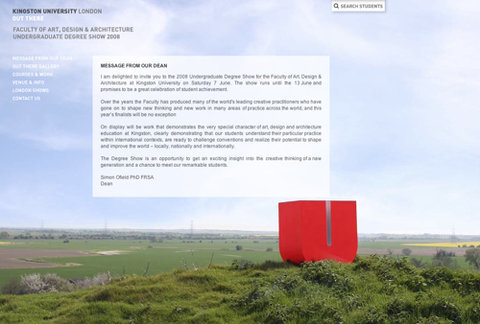
kingston.ac.uk/outthere is the site of the Faculty of Art, Design & Architecture of the Kingston University in London.
Ku1 in Lessons From Swiss Style Graphic Design

The great visual impact of this site are the big photographs that stand from the background. Along with that, there’s only typography.
Ku2 in Lessons From Swiss Style Graphic Design

WilsonMiner.com

Wilsonminer Homepage in Lessons From Swiss Style Graphic Design

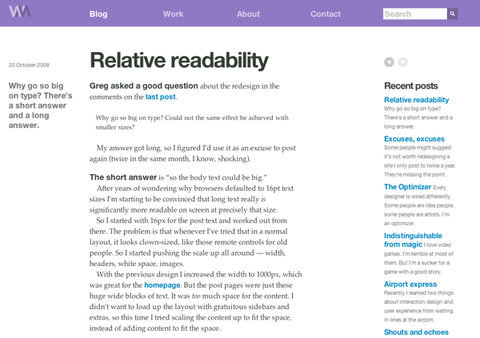
wilsonminer.com is the home of Wilson Miner, designer and co-founder at EveryBlock.com. Miner worked on the first major redesign of apple.com and designed the identity (and the admin interface) of the Django web framework.
Wilsonminer Internal in Lessons From Swiss Style Graphic Design

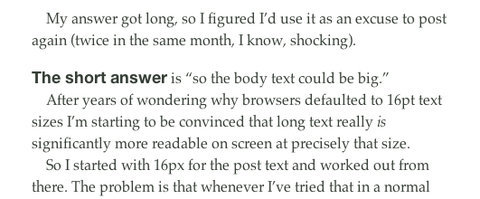
This site’s post page has a very interesting use of typography – it mixes big bold Helveticas with greyish Palatino, sometimes on the same text line. The contrast looks very beautiful and shows that there are use cases for both serif and sans-serif typefaces. Along with that, there’s a significant amount of whitespace that greatly leverages readability.
Wilsonminer Typedetail in Lessons From Swiss Style Graphic Design

Please compare this design with Dustin Curtis’s minimal design that also makes use of beautiful typography and spacing.

Dustin in Lessons From Swiss Style Graphic Design

Further Resources

Here are some interesting resources on some of the core subjects of this article:

Diogo Terror is a web developer that loves Ruby, Typography and Macs, specially when they come altogether (and they often do). He also likes to post random thoughts on Twitter whenever they occur (and they often do).

Post Rating
1 Star2 Stars3 Stars4 Stars5 Stars (No votes yet)
Loading ... Loading ...

Tags: , , ,

Advertising
  1. 1
    ChristianoErwen
    July 17th, 2009 12:07 pm

    Very nice!

  2. 2
    Ricardo Machado
    July 17th, 2009 12:20 pm

    Cool Post….

    Specially the grids example :)

  3. 3
    Alejandro
    July 17th, 2009 12:23 pm

    Great Inspiration! Thanks SM.

  4. 4
    Nicolas Kal
    July 17th, 2009 12:42 pm

    Inspirational typography use.
    Another great post.

  5. 5
    Jose Rosa
    July 17th, 2009 12:59 pm

    Awesome demonstration of Graphic Design. As always we must take of our hats to Smashing Magazine team! Thank you guys.

  6. 6
    JayDee
    July 17th, 2009 1:06 pm

    The amount of “craft” that was involved in designing layouts pre-computer era simply baffles me…

    Great stuff…

  7. 7
    Nikolaj Sokolowski
    July 17th, 2009 1:37 pm

    Well done. I simply love this style!
    Not only because, but especially because of the Showcase, this post lands in my favs.

  8. 8
    Andy
    July 17th, 2009 2:21 pm

    Lovely stuff – more of this kind of thing please.

  9. 9
    Bruno Henrique Stein
    July 17th, 2009 3:52 pm

    Great information and inspiration.

  10. 10
    simonp
    July 17th, 2009 5:21 pm

    a bit cheesy – suprised no toblerone

  11. 11
    safetycopy
    July 17th, 2009 5:55 pm

    One of my favourite articles on Smashing Magazine for a while. A great and interesting introduction to a fascinating subject. More like this please!

  12. 12
    Facundo
    July 17th, 2009 6:38 pm

    W 0 W !

  13. 13
    Sal Azad
    July 17th, 2009 7:17 pm

    Supeeeer!!! Thx Smashing!!!

  14. 14
    JAVier Romero
    July 17th, 2009 8:08 pm

    just fantastic!!! thanks so much for this beautiful design compilation.
    @javierjrdg

  15. 15
    karthik
    July 17th, 2009 9:19 pm

    fantastic!!!!!!

  16. 16
    Adam
    July 17th, 2009 10:16 pm

    I don’t know if the article is wiggin’ out on me or anything, but several of the images you posted appear more than once (like the three images in Uniformity and Geometry are linked again towards the bottom). And there were two instances where there is just a huge blank space (unless you are linking to a white picture on purpose…)

  17. 17
    Jan Kovařík
    July 17th, 2009 10:29 pm

    i love this style, I tried something similar in my portfolio, especially in the footer …

  18. 18
    Alex
    July 17th, 2009 11:57 pm

    Very tasty post. Thanks.

  19. 19
    Joseph Spurling
    July 18th, 2009 12:56 am

    Very insightful post. Being untrained it’s nice to learn where exactly I’ve taken my influences from.

  20. 20
    Kenneth B
    July 18th, 2009 1:13 am

    This is truly the best inspiration and showcase I have ever seen! I love looking back in time, and see that design doesn’t age. I love it.

    I have a question. Is pictograms a part of Swiss Style??

  21. 21
    L.e.
    July 18th, 2009 3:03 am

    Nice work… But if you’d die tonight, where will you spend eternity?

  22. 22
    bharani padmanabhan md phd
    July 18th, 2009 3:14 am

    classic :-)

  23. 23
    gideon
    July 18th, 2009 4:28 am

    Incredible post! Thanks Diogo. A showcase of the masters of graphic design.
    Amazing.

  24. 24
    Jamie
    July 18th, 2009 4:30 am

    I’ve only been following SM for a couple of months now and I must say this front page is perhaps the best I’ve seen here

    PNG techniques, a Google Analytics guide, a run-down of HTML5, a CSS3 cheat-sheet and this awesome article that helps not only with designing websites (so you can use all the info in the articles listed above :D) but also desigining for print.

    MANY, MANY THANKS!!

  25. 25
    bchild
    July 18th, 2009 4:42 am

    Great post! – Really inspiring! – I’ve been following SM for over a year now and I agree with Jamie (24) – The last 6 posts have been some of SM’s best! Well Done! –

    Thank you for making my job so much easier!

    Although, I must say, after reading this post… my scroll-finger hurts! :(

  26. 26
    Diogo Terror
    July 18th, 2009 5:30 am

    @Kenneth B: Pictograms, yes, to a certain extent. While I believe a swiss-style artist would prefer pure typography in many cases where others would use pictograms, it certainly has its use case.
    Here’s a sample of Zurich’s Airport pictograms – designed by Ruedi Rüeg http://www.flickr.com/photos/cityofsound/433351097/in/pool-airport_pictograms

    And the amazing 1972 Munich olympics pictograms, designed by Otl Aicher http://www.flickr.com/photos/ryangerald/2928488318/

    @gideon Thanks!

  27. 27
    Ashtash
    July 18th, 2009 6:08 am

    What does “Enter Definition Lists” have to do with Swiss Design with reference to W3C recommendation? it can be found between “More than grids, structured information” and “Elementary” – odd!!

  28. 28
    Matthew Litherland
    July 18th, 2009 6:50 am

    There’s alot of good points to this article, but there is also alot of rubbish that has no relevance. Articles like this are bad because the people who are writing them dont fully understand the subject matter. Also to publish this much content on one post is a crime in its self. Go and buy a book!

  29. 29
    Dusan Vlahovic
    July 18th, 2009 7:56 am

    SuperB article. I love the Swiss Style and to see such a good collection it’s great. I love the simplicity and the strong typographic presence of all of this works. Good job!.

  30. 30
    Manuel
    July 18th, 2009 11:15 am

    Best article ever!

  31. 31
    Martin Leonhard
    July 18th, 2009 11:36 am

    Nice article! Maybe one of the best sources for Swiss Design is the growing . collection of the Zurich University of the Arts – Museum of Design Zurich (Switzerland). Have fun!

  32. 32
    rowan
    July 18th, 2009 11:49 am

    Wow really inspirational article, good to read up on some forgotten design principles…it’s easy to get caught up in what’s on trend without thinking about where it originated!

  33. 33
    Dave
    July 18th, 2009 12:17 pm

    All i can say is a big THANK YOU!!!!!!!

    Great post!!!

  34. 34
    hatohato
    July 18th, 2009 2:30 pm

    love the quote from Antoine de Saint
    “Perfection is achieved, not when there is nothing left to add, but when there is nothing left to remove.”

  35. 35
    David Thalmann
    July 18th, 2009 5:34 pm

    Wow, I’m born & still live in Switzerland but I’ve never heard about this style, but the samples look familiar to me =) Great article!

  36. 36
    Gerry Quach
    July 18th, 2009 10:27 pm

    Just wanted to point out a typo, the subheading “Whitespace: Let The Text Breath” should actually be “Whitespace: Let The Text Breathe“.

    Great article as always, and great examples of Swiss Style!

  37. 37
    Sedasa
    July 18th, 2009 10:28 pm

    Very thorough article! Loved all the photos and illustrations – thanks for giving us so much in-depth information. Sometimes I’ve wished that SM articles were longer; I was not disappointed today. Excellent!

  38. 38
    Antje
    July 19th, 2009 12:06 am

    Nice article and very well researched. Clearly shows humanity doesn’t need computers to be creative.
    Which some, especially younger ones, seem to be of opinion. If it isn´t digital and doesn´t vaporize in three years it cannot be good.

  39. 39
    Paul
    July 19th, 2009 1:58 am

    This is my favourite post this year buy far. Thanks so much for this.

    I really can’t say anything more, just brilliant fun.

    Cheers

  40. 40
    Aidan
    July 19th, 2009 2:46 am

    Very impressive.

  41. 41
    Pradeep CD
    July 19th, 2009 6:11 am

    Great Inspiration…thanks

  42. 42
    sarath
    July 19th, 2009 7:12 am

    thx a lot, This post has been a textbook for me, what more do i say…

  43. 43
    Johnny Nothing
    July 19th, 2009 2:40 pm

    Utterly captivating. All the things I love most about design.

  44. 44
    Francis
    July 19th, 2009 6:26 pm

    Huge and useful

  45. 45
    bombwithrobots
    July 19th, 2009 6:49 pm

    Great article, thank you!

  46. 46
    JW
    July 19th, 2009 9:15 pm

    this is a very impressive collection of images…. will take me a while to get through it all, but great article!

  47. 47
    b-OBBY
    July 19th, 2009 9:26 pm

    Yameeee….and Impressive!

  48. 48
    Andris
    July 19th, 2009 10:14 pm

    Hopp Schwiiz!

  49. 49
    jean-marc
    July 20th, 2009 12:00 am

    splendid article!
    cheers for that.

  50. 50
    Vanilla Man
    July 20th, 2009 12:11 am

    Oh my God! This post is sooooooo long.. Just unbelievable that editors didn’t split it to a few..

  51. 51
    mee
    July 20th, 2009 2:17 am

    Very famous designers are coming to Switzerland to learn the basic of good design.

  52. 52
    Maxime
    July 20th, 2009 4:30 am

    Stunning, this article is definitely one of my favorites so far. I’m a big fan of the movement and I’ve watched the documentary Helvetica so many time it’s not even funny. Thanks for a great article.

  53. 53
    Joris_Lucius
    July 20th, 2009 5:34 am

    amazing source of inspiration, thanx a lot!

  54. 54
    Ruth
    July 20th, 2009 8:43 am

    GORGEOUS!

  55. 55
    pepski
    July 20th, 2009 8:57 am

    Great article about great design. I get how this applies to dl’s and think it’s great that this article includes this example of how Swiss design applies to internet design. I also appreciate the examples of contemporary sites.

  56. 56
    Bacardo
    July 20th, 2009 9:02 am

    Excellent quality, a lot of investigation, a search in reliable sources, perfect redaction, clear, simple.

    Thanks for sharing.

    I recommend a site in spanish: http://www.unostiposduros.com it’s about typography, graphic design history, and a lot of stuff related.

    Regards!

    Bacardo.

  57. 57
    gus
    July 20th, 2009 11:20 am

    Ive seen better :)

  58. 58
    neogin
    July 21st, 2009 4:11 am

    Hi, great post !

    I was wondering, does anybody have references of the books featured in the pictures ? ( the ones on the grey-ish wood background )

    thx smashing and thx Diego Terror for this post !

  59. 59
    lunik33
    July 21st, 2009 5:22 am

    best post EVER.
    seriously.

  60. 60
    Scott O. Holt III
    July 21st, 2009 5:34 am

    Awesome article. Excellent visual examples, and an inspiring read all around.

  61. 61
    Jonathon
    July 21st, 2009 10:21 am

    I, for one, welcome our new Swiss Style overlords.

  62. 62
    mlle a.
    July 21st, 2009 10:29 am

    This is an awesomely good post, and the examples are all great. But this post is so freakingly long and image-heavy, it virtually breaks my newsreader every time I have to scroll past it.

  63. 63
    joeal
    July 21st, 2009 1:20 pm

    …it is ok, maybe something that print designers can wet their pants over…for web, it is a miss.

  64. 64
    fabio couto
    July 22nd, 2009 8:04 am

    The grids, the types, the colors, the simplicity… everything is stunning. Genius.

  65. 65
    Matt Mueller
    July 22nd, 2009 3:48 pm

    fantastic post.

  66. 66
    Ponsfrilus
    July 22nd, 2009 11:23 pm

    Great post! (from a Swizz guy :-p )

  67. 67
    Socea Cristian
    July 23rd, 2009 2:22 am

    Very good, smashing post

  68. 68
    Alexander Bickov
    July 24th, 2009 4:11 am

    Very good classical ideas

  69. 69
    Carrie
    July 24th, 2009 9:18 am

    Beautifully comprehensive article on the Swiss Style–my very inspiration!

  70. 70
    superdesign
    July 24th, 2009 11:02 am

    very nice collection. some are just BAUHAUS, where typical swiss graphic design came from. you forgot some from the new generation (like buro destruckt) and some other realy great old masters russia (like Lissitzky and Rodchenko also big inspirators of swiss graphic design).

    greatings from zurich, switzerland

  71. 71
    wan design
    July 27th, 2009 8:09 am

    completely extensive article!
    I think I found myself through reading this article. Now I got my direction in design.
    It’s a great enlightenment of the day.
    Thanks a lot and keep it up =)

  72. 72
    Christian Tobler
    July 31st, 2009 6:09 pm

    Truly Inspiring. My father is from Schaffhausen, Switzerland. It’s really awesome as I get deeper and deeper into design how much I see the Swiss designers have influenced many of the design styles we see today.

    Great Article, major props and thank you for taking the time to put this bad ass article together. Keep up the great work.

    Christian

  73. 73
    John57
    October 22nd, 2009 2:31 am

    Or not even supporters in the first place. ,

  74. 74
    Alex85
    October 23rd, 2009 1:55 am

    Imagine that you could travel back in time to see Jacqueline Kennedy at different stages of her life. ,

  1. 00

    There are no trackbacks at this time. If you are interested in leaving a trackback, please use this URL.

Leave a Comment

Make sure you enter the * required information where indicated. Please also rate the article as it will help us decide future content and posts. Comments are moderated – and rel="nofollow" is in use. Please no link dropping, no keywords or domains as names; do not spam, and do not advertise!


Advertisement Advertise with us!
Join in Smashing Forum
Post your job