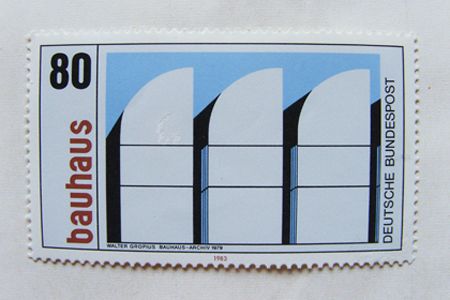
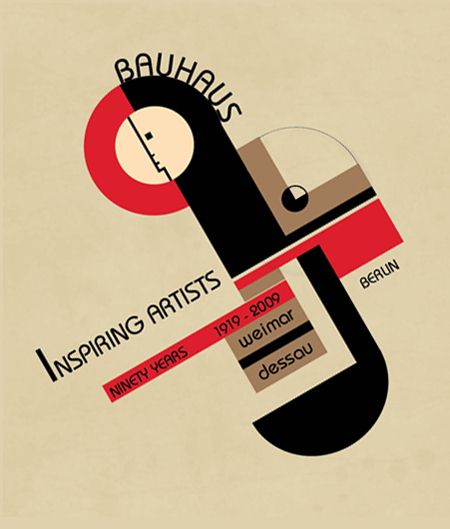
Bauhaus: Ninety Years of Inspiration
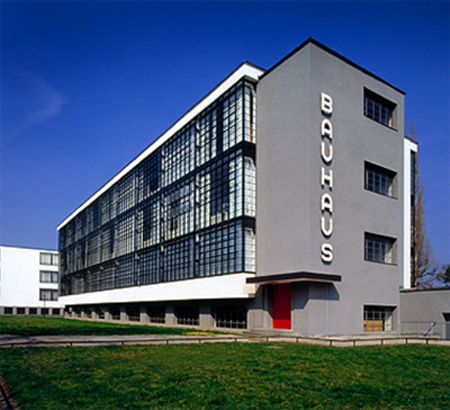
Inspired by a vision of bringing artists and craftsmen together to start a movement in art which would change the future of the world, Walter Gropius opened the doors to Bauhaus. The year was 1919 when Gropius founded Staatliches Bauhaus Weimar. Germany was bankrupt after a devastating World War I and the younger generation was eager to make positive changes.
“Architects, painters, sculptors, we must all return to crafts! For there is no such thing as “professional art”. There is no essential difference between the artist and the craftsman. The artist is an exalted craftsman. By the grace of Heaven and in rare moments of inspiration which transcend the will, art may unconsciously blossom from the labour of his hand, but a base in handicrafts is essential to every artist. It is there that the original source of creativity lies.Let us therefore create a new guild of craftsmen without the class-distinctions that raise an arrogant barrier between craftsmen and artists! Let us desire, conceive, and create the new building of the future together. It will combine architecture, sculpture, and painting in a single form, and will one day rise towards the heavens from the hands of a million workers as the crystalline symbol of a new and coming faith.” — Walter Gropius
Gropius named the school Bauhaus, which is the transliteration for building house, but according to the Bauhaus-Universität Weimar, it stands for “an eagerness to experiment, openness, creativity, a close link to industrial practice and inter-nationality.”
We hope you too can experiment with the creativity of art and be inspired by the Bauhaus movement. Please visit the sites of the artists and sources by clicking on the images or titles.
You may want to take a look at the following related posts:
- Lessons From Swiss Style Graphic Design
- Vintage and Retro Typography Showcase
- Retro Futurism At Its Best: Designs and Tutorials
- Breathtaking Typographic Posters
Bauhaus The School and The Style
Every generation seems to have extreme changes which influence life one way or another. Even though contemporary styles had come into play before Gropius opened the school, the Bauhaus movement was considered a radical step towards modernism.
During the 14 years of existence, Bauhaus was operational in three separate locations: Weimer, Germany from 1919 – 1925, Dessau, Germany from 1925 – 1932, and Berlin, Germany from 1932 – 1933. With each move of the school, some programs were added while some dropped. It was required for all students to complete a preliminary course covering theoretical aspects and practical perspectives before continuing onto the specialized workshops.
Principles of Teaching at Bauhaus
Bauhaus and The Master Instructors
Bauhaus selected some of the best talent from each trade to become Master Instructors. Not only did they teach the student, they motivated and inspired.
L-R: Josef Albers, Hinnerk Scheper, Georg Muche, László Moholy-Nagy, Herbert Bayer, Joost Schmidt, Walter Gropius, Marcel Breuer, Vassily Kandinsky, Paul Klee, Lyonel Feininger, Gunta Stölzl and Oskar Schlemmer
Josef Albers, a Master Art Instructor at Bauhaus once said, “Each color has different properties both as color and as buttery paste. Each has a different density; in spite of this, I want them all to behave; to do what I want and not what they want… One must taste and taste in order to cook just right… Until one has the experience of knowing he is being fooled by color, one cannot be expected to be very careful to look at things inquiringly. Only comparison entitles one to evaluation… I want to imbue others with my delight in the endless possibilities for new color experiences.”
Bauhaus in Art (paintings and drawings)
During this era, Kandinsky was best known for his geometric shapes in his art work. Using circles, squares, triangles, zig-zags, and blocks, he was able to visually express his creativity. One of his favorite shapes was the circle as you’ll notice in much of his work. He found more inner potential in the circle than with the other shapes. His most important piece while at Weimer was the ‘Yellow Red Blue’ from 1925 when he used the three primary colors to show the complex diversity within the color relationship.
While all of Bauhaus’ Master Instructors were amazing and all had their own unique style, they appeared to have much interest in color theory. “Color has taken possession of me; no longer do I have to chase after it. I know that it has hold of me forever… Color and I are one. I am a painter”. –Paul Klee
Gelb Rot Blau by Wassily Kandinsky

“Swinging” by Wassily Kadinsky
Black Relationship by Wassily Kandinsky
Black Frame by Wassily Kandinsky
Gravitation by Wassily Kandinsky
Contrasting Sounds by Wassily Kandinsky

Small Worlds II by Wassily Kandinsky

Howling Dog c.1928 by Paul Klee
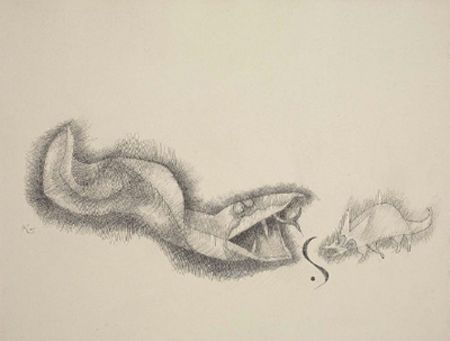
Schlangenbeute c.1926 by Paul Klee
Stachel der Clown 1931 by Paul Klee
They’re Biting (1920) by Paul Klee
Bauhaus Inspiration by AlexioLex
Bauhaus in Typography
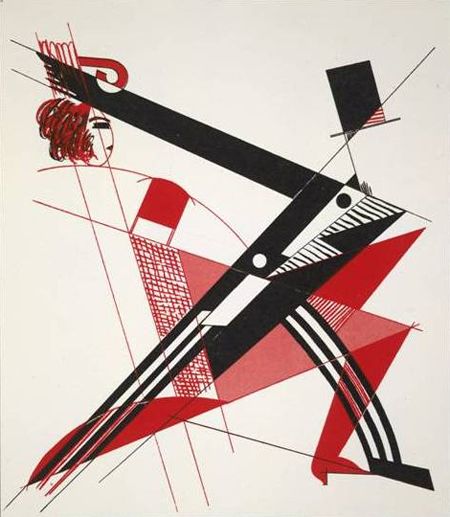
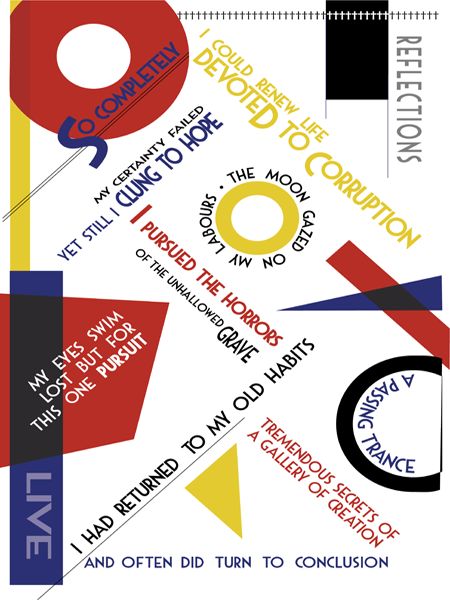
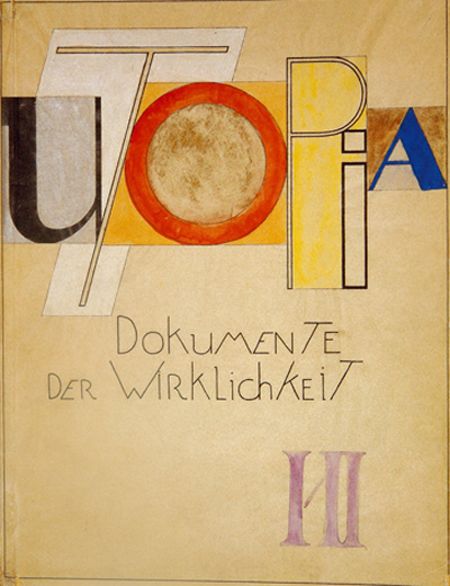
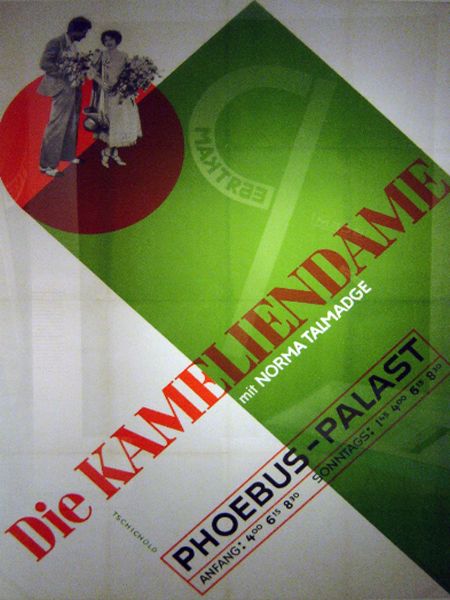
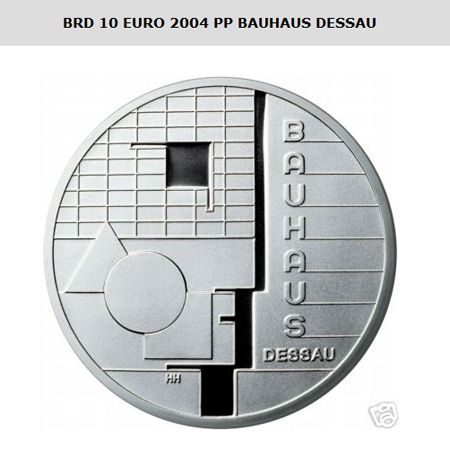
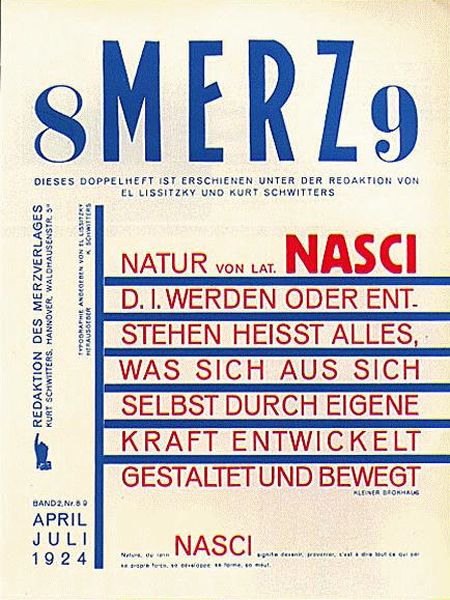
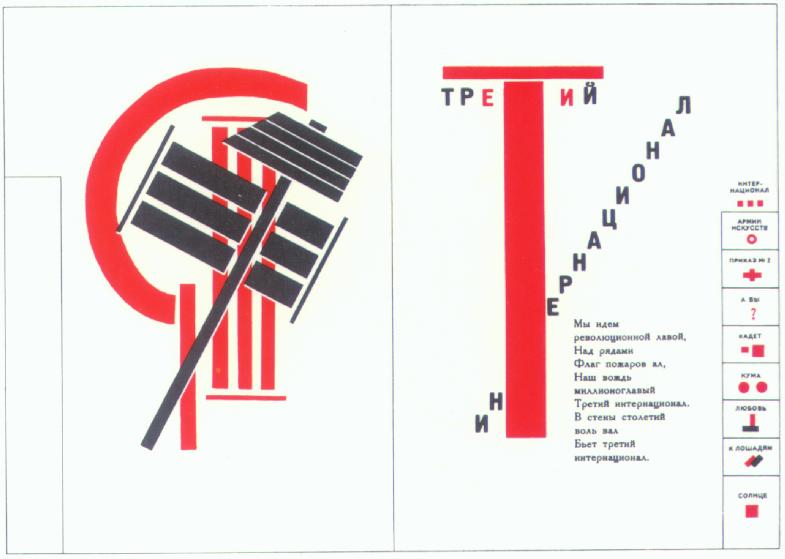
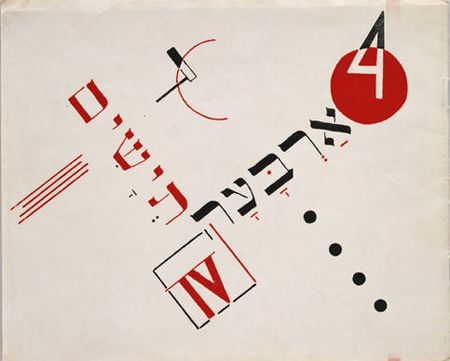
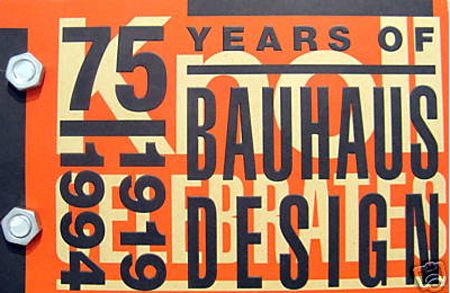
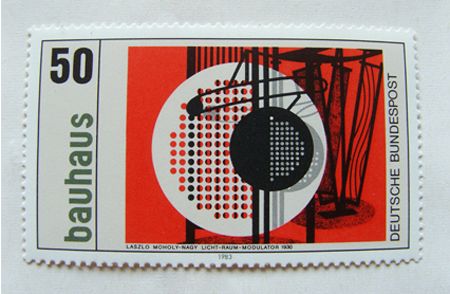
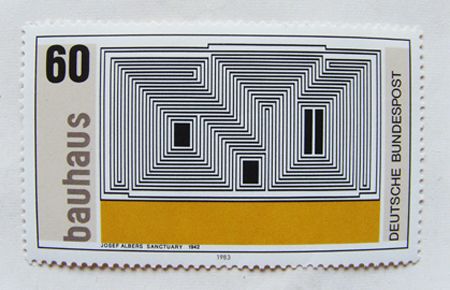
It wasn’t until the summer of 1923 when a poster was made for the school that intrigued others to notice the unique typeset and design. Effective visual communication was a main focus when designing. You will see a balanced layout, vibrant colors, harmony, geometric shapes strong bars, bold and universal type. Using upper case or lower case fonts, but not a combination of the two, the typeset was clear and concise. The type was laid out in various ways. In addition to being horizontal and vertical orientation, Bauhaus is well-known for placing text at angles and also wrapping text around objects.
As the legacy continues, Bauhaus style typography is still used in modern day designs and posters. You will find their style on album covers, posters for movies, events, and signage. One of the most notable was a print designed for the Obama Presidential Campaign, a rally which was held in Berlin. It’s only a speculation, but using the Bauhaus influenced design could have been Obama’s way to show respect and appreciation for the people and the country.
Leaflet design by László Moholy-Nagy
Wassily Kandinsky Post Card c.1923
Bauhaus Inspired by Curse of the Moon
Bauhaus Inspired Concert Poster
Where Form Meets Function by Danakaita
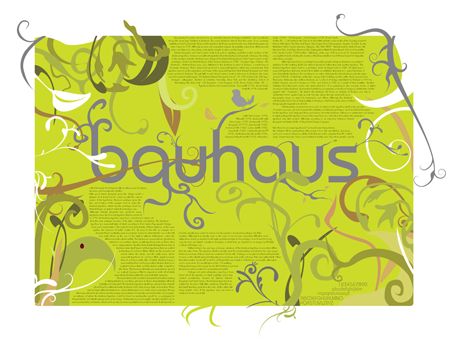
Bauhaus Redneck by Sir Rudolph
Where Form Meets Function by Danakaita
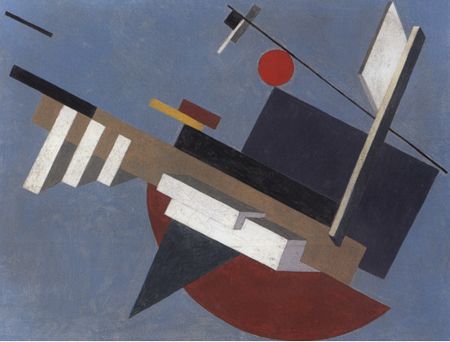
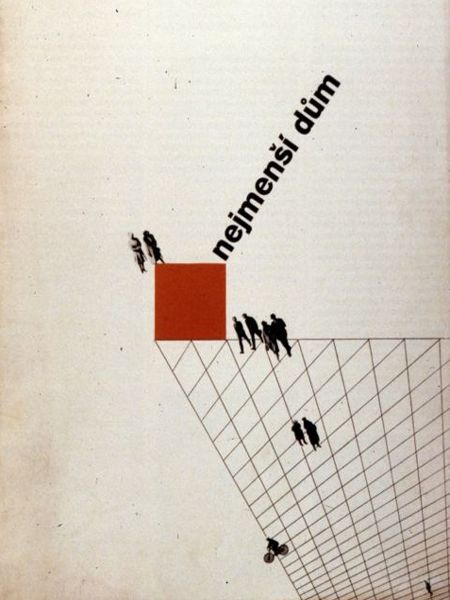
Merz Magazine Cover by El Lissitzky
Bauhaus in The Crafts and Architecture
Many of us have seen Bauhaus’ famous teapot, ashtray, cradle, and even the chess set by Josef Hartwig carved out of pear wood, but one of the most beautiful pieces was the “African Chair” crafted by then student Marcel Breuer and Gunta Stölzl. The throne-like chair has a colorful weave wrapped around a painted wood frame. The “African Chair” now finds its home at the Bauhaus Archive in Berlin.
Leaning away from the old Gothic architectural styles of Germany, Bauhaus exhibited a more simplistic approach. Modernism left out the decorative ornaments and trims which had no functional purpose. The new designs showed you can have style and cost effectiveness all in one.
Towards the end of Bauhaus’ days, an abundance of refugees moved to Tel Aviv. It is there where this new modern style of architecture was planned and executed for over 4,000 buildings. They needed something fast and cheap to build, and the Bauhaus style fit the bill. Eighty years later, the majority of those buildings still exist. This caused Tel Aviv to be named a UN Heritage Site for hosting a now rare architectural style in such a concentrated area.
Ninety years later, the influence from Bauhaus, the Master Instructors, and students, continue to inspire others around the globe.


Saad Malik
August 2nd, 2009 7:33 amOh snapz, I have the first painting in my house!
CHris
August 2nd, 2009 7:34 amcoooooooooooolllllllllllllllllll
bauhaus
August 2nd, 2009 7:36 am\o/
jianglong
August 2nd, 2009 7:37 amnice article, and brings a lot good memories…
John Campbell
August 2nd, 2009 7:53 amSome great inspirational stuff here!
RS
August 2nd, 2009 7:56 amYou always say that you should make clear to which picture a caption refers to, but in your post isn’t clear at all!
gideon
August 2nd, 2009 8:17 amAwesome post!
BTW picture captions should be at the bottom….always ;)
John Runion
August 2nd, 2009 9:00 amWassily Kandinsky is by far the most influential artist in my life….my oil paintings are very reminiscent of his work and I think he does not get enough credit for bringing modern art into its own.
angeles
August 2nd, 2009 9:18 ammagnificent chair! so primitive and modern
Roberto Blake
August 2nd, 2009 9:42 amGreat post, always good to see that history has not been forgotten. A lot of graphic designers I’ve met know nothing of the history of our craft and its origins. They’ve never heard of the Bauhaus or Gestalt, or his uniforming principles!
Vladimir
August 2nd, 2009 10:14 amgreat modern contemporary design article. i recently purchased max bill chronoscope watch @ junro (dot) com. the ultimate example of the german bauhaus school of design in a watch.
mael
August 2nd, 2009 11:37 amOk for this new historical category !
It would be nice to discover less famous tendances in the future.
Andrew MacPherson
August 2nd, 2009 12:19 pmThere’s definitely a lot of pretty here, but let’s not give the Bauhaus credit for everything that happened in the 20th century.
For example, futurism predates the Bauhaus by at least a decade. There’s a futurism poster above that’s apparently lumped into the influenced by Bauhaus typography section. I’m sure the Italian boys who started futurism would have a few (thousand) choice words (in manifesto form) for anyone giving credit for their contributions to their German successors.
Defifee
August 2nd, 2009 12:35 pmThank you that’s a really useful article! I think every designer should have an idea about the Bauhaus movement. But you shouldn’t mix images of original Bauhaus stuff, Bauhaus “inspired” designs, the Bauhaus DIY store brand and Constructivist El Lissitzky works.
James Kurtz III
February 2nd, 2010 12:59 pmAgreed. I was surprised to see Constructivist images in the list. This is a nice collection of images but it should be noted that not all are Bauhaus.
Kayzah
August 2nd, 2009 12:56 pmThis post totally rocks!
I love it.
samdman
August 2nd, 2009 6:03 pmIt’s a longlife design, indeed!
Jessette Dayate
August 2nd, 2009 7:55 pmArt History is one of my favorite subject when I was taking up my degree in Fine Arts. For me, Bauhaus made its impression on me as a designer through the works of Paul Klee and Kandinsky.
By the way, its “Walter Gropius”, and not “Water Gropius”, I think its just some typo error. :)
Nice post SM! :)
sayan mukherjee
August 2nd, 2009 9:50 pmGreat design article article and Some awesome inspirational stuff.
yoxx
August 2nd, 2009 9:54 pma nice article… i believe walter gropius will smile after read this article :)
Muhammad Omer
August 2nd, 2009 9:56 pmI am planning to go to Bauhaus…..
ozgurCe
August 2nd, 2009 11:11 pmFunny how every era has its own form language. Seems like designers stucked with a ‘perfect geometry’ (though all the stuff here seems to be hand drawn :) obsession regardless of the content. I love paintings of Kandinsky and Klee they are more organic somehow…
Bonamerda
August 2nd, 2009 11:31 pmI love Bauhaus, but his mother, Russian Constructivism is really awesome, at least 4 me
Nico
August 3rd, 2009 12:38 amHey, great article!
maybe you are interestet in a website about max bill and georges vantongerloo
(http://www.maxbill.ch)
(german language)
There´s also a film out, about the life of max bill
daniel
August 3rd, 2009 1:07 amThere’s no examples of architecture – it’s big mistake! Where’s german modernism? “Inspired by Bauhaus” stuff wasn’t necessary (“oceans 12 poster”???)
Pioter
August 3rd, 2009 1:12 amOne of the founders of Bauhaus was indeed “Walter Gropius” instead of “Water Gropius”. A slight typo error that was also noticed by Jessette Dayate in comment 17 prior to this comment. Keep up the good work SM!
charvi
August 3rd, 2009 4:13 amlike it ! feel inspired :)
Justin Floyd
August 3rd, 2009 4:16 amI feel like I’m sitting in Art History class again.
Justin Floyd
August 3rd, 2009 4:21 amAn inspirational post on Art Deco would be really cool. Or better yet a post on the 19th Century Arts and Crafts or Art Nouveau movements would be good too. Show all the “Gunge” web designers out there where they get those pretty florals and swirls from.
Justin Floyd
August 3rd, 2009 4:24 amI have to agree with Roberto designers need to understand or have a some idea of where their inspiration comes from. So much art and design from the 19th and 20th century is regurgitated though popular culture people miss out on the very real history of art and how it reflects and influences human development.
Pioter
August 3rd, 2009 4:30 amI`ve been almost forgetting…
It`s Bauhaus!! For god sake!
Ryan Roberts
August 3rd, 2009 4:57 amHow about an article on the lesser known predecessor to Bauhaus – Ulm School of Design – next?
Would be nice since they focused more on design than art and craft.
pshm
August 3rd, 2009 4:59 amGreat post, but there’s one thing I don’t really get – Ocean’s Twelve poster. I don’t see anything inspired by Bauhaus there? Is it here just because there’s a big title typo in background? :|
Dan Cole
August 3rd, 2009 5:14 amMy Prof @ Ohio University Studied at the Bauhaus Very interesting man. Crazy and smart at the same time. Now I see the light…..
Designwhore
August 3rd, 2009 6:01 amSuperb article as always! I want to read more. There are numerous books out there on the Bauhaus movement, but could someone recommend the very best one for typography and graphic design? Preferably one with both the theory behind and lots of nice pictures…
Manasa Malipeddi
August 3rd, 2009 6:08 amVery inspiring!! This is completely new information! Thanks so much, Smashing Mag!! Loved it!
Adam Alyan
August 3rd, 2009 7:54 amI am a big fan of Kandinsky’s work!
Jeffrey Ryan
August 3rd, 2009 7:56 amGreat post about the history of the Bauhaus. Naef currently owns the exclusive rights to produce the Bauhaus chess board, chess men, bauspiele, and other toys. you should check it out http://www.naefusa.com
Chris
August 3rd, 2009 8:35 am“Let us therefore create a new guild of craftsmen without the class-distinctions that raise an arrogant barrier between craftsmen and artists!” – hell yeah!
Great article!
Simon
August 3rd, 2009 8:57 amNice article but I’m a bit disappointed that there’s not more architecture and design. Bauhaus made many intersting things in these two domains !
Moeed
August 3rd, 2009 4:37 pmI’m sorry but the modern interpretations at the Bauhaus style of design are … well, insulting. Cheap Photoshop effects, horrible Typography, and no reasoning.
Next please.
John Faulds
August 3rd, 2009 6:49 pmNice to see something different on SM with a historical slant. It would’ve been nice to have some photos of the architectural style you mentioned in the last section though.
Kristie Taylor
August 4th, 2009 12:47 amExcellent article! Loads of inspiration… thank’s for the help.
Tobbsn
August 4th, 2009 3:20 amWhat?!
Nothing about the Bauhaus-photography?!!
El Lissitzky and Laszlo Moholy-Nagy were two of the most important photographers of their time, inventing some very important techniques and used them in their artistic ways the first time ever!
For instance: http://tinyurl.com/lzd8vz ; http://tinyurl.com/l6jxeh ; or http://tinyurl.com/lg2md3
Old Man Foltz
August 4th, 2009 5:08 amIt’s always good to revisit foundational works of modern design, but like some of the other posters above, I feel there’s too much muddying the waters in the examples cited. There’s some Futurism and Constructivism in there, along with a few non sequiturs from recent trends of computers vomiting type onto a page.
Tom Gurney (Kandinsky Fan)
August 4th, 2009 11:53 pmCool to see Smashing Magazine getting arty. :-)
Just writing about Bauhaus and Kandinsky on Art150.com.
pyros
August 5th, 2009 4:02 ami don’t know if it’s only me – but i have no relationship whatsoever towards bauhaus. i find most of its artwork/architecture/product design boring and uninspiring. i don’t understand what other people see in it. can someone explain bauhaus to me? thanks.
Russ
August 6th, 2009 12:22 pm“… but a base in handicrafts is essential to every artist. It is there that the original source of creativity lies… “
This simple statement has never been more true than it is now in the age of Computers.
Nice article by the way…
Jocelin
August 6th, 2009 2:02 pmoh this a is a inspiration …
Dave Bricker
August 9th, 2009 3:09 amA very nice collection.
It’s important (and interesting) to note that along with Bauhaus, deStijl evolved in the Netherlands and Constructivism evolved in Russia (for example, some of the El Lissitsky pieces as separate but similar responses to post WW1 industrialism. Factories switched from making bullets and guns to stamping out consumer goods and these movements attempted to add a simple-but-beautiful alternative to painting flowers on otherwise ugly and poorly designed products.
Certainly, the leaders of these movements met in Berlin and influenced each other, but the idea that Constructivism, deStijl and Bauhaus all separately hit on some of the same design solutions and values at the same time (e.g reductive design – flat planes of color, geometric shapes, sans-serif type ) is fascinating. The writer should be careful not to lump all of this material under Bauhaus (and not to distort some of the images).
For those seeking more inspiration within this inspiration, a look at Kurt Schwitters’ (behind the Merz poster), the dada movement and the Vienna Secession will provide some insight into some of the influences that drove the movements after WW1.
Regardless of whether you memorize any of the names and dates, I think it’s important for designers in our digital world to dig through the crust of ones and zeros and mine the gems from the history of our wonderful craft. In any other discipline, we study the old masters. If you want o play the blues, start by listening to Robert Johnston. In design, we take a “shortcut to brilliant” handed to us by a software company.
Jackie
September 11th, 2009 12:56 pmSimply amazing. His work inspired me to become a graphic designer! Props to this article!
Huiragubi
September 23rd, 2009 7:42 amThanks Smashing Magazine gave me such a valuable art document. Really inspired!
Chourou
October 14th, 2009 12:08 pmTribute to the Bauhaus Spirit: “”Intuitive Construction Asymptotic Perceptions” from the Bauhaus 9090 exhibition (90 years – 90days)
organized by the Borderbend Arts Collective and the Gropius in Chicago Coalition.
http://maddart.blogspot.com/2009/09/b09.html
CurseOfTheMoon
December 29th, 2009 1:47 pmWow my poster is rigth there! LOL Fantastic post about the Bauhaus, I´m really honored for been feature here but next time let me know please so I can make a journal about it.
anakairos
January 18th, 2010 12:51 pmhow about some pictures of their industrial design and architecture?
geezah ..
February 21st, 2010 10:04 amnice =]
Raina Van Cleave
March 23rd, 2010 12:05 pmI really found the examples of Bauhaus art in this article inspiring. I loved the mixture of modern and old school artwork as well. I especially liked the Charlie Chaplin Bauhaus inspired poster.
Shine Raj
March 24th, 2010 12:23 amSome of the best design on earth
yaghoob
November 28th, 2010 6:03 amPhotos of industrial design at the Bauhaus send me’m grateful
khodeza akhter
October 20th, 2011 3:22 amI have to inspired from this Bauhaus for designing dress…………………2013
very interesting form are here in this graphic design.